📺 Category guide
Best 3 4K TVs on Amazon
OLED won the picture-quality war: perfect blacks and infinite contrast that no LCD can touch. Within OLED, brightness and processing separate the tiers. All three picks are 4K with 120Hz panels and HDMI 2.1 for gaming.
Last researched September 28, 2026
How to choose
Modern TVs are won on picture quality, and the current consensus is clear: self-lit pixels with perfect blacks and infinite contrast beat backlit panels for movies and dark-room viewing. Within that world, brightness and processing separate the tiers, since a dim panel struggles in a bright living room while a bright panel holds up in daylight. Size matters more than most buyers admit, because a larger screen at a lower tier often immerses more than a smaller screen at a higher tier. For gaming, refresh rate, variable refresh, and low input lag matter as much as picture, and for movies, accurate color and filmmaker modes matter more than vivid showroom settings.
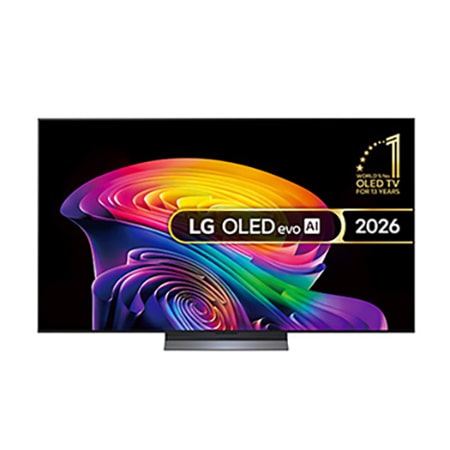
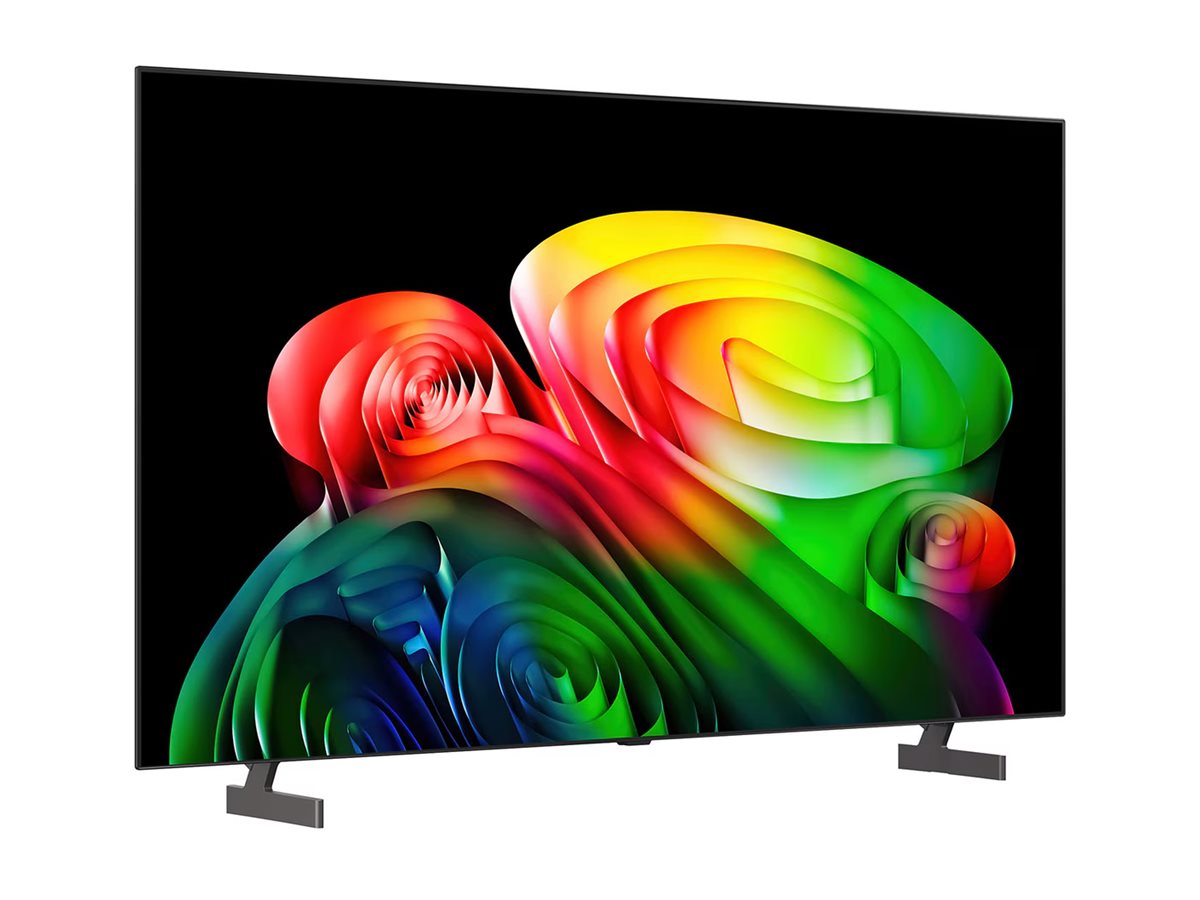
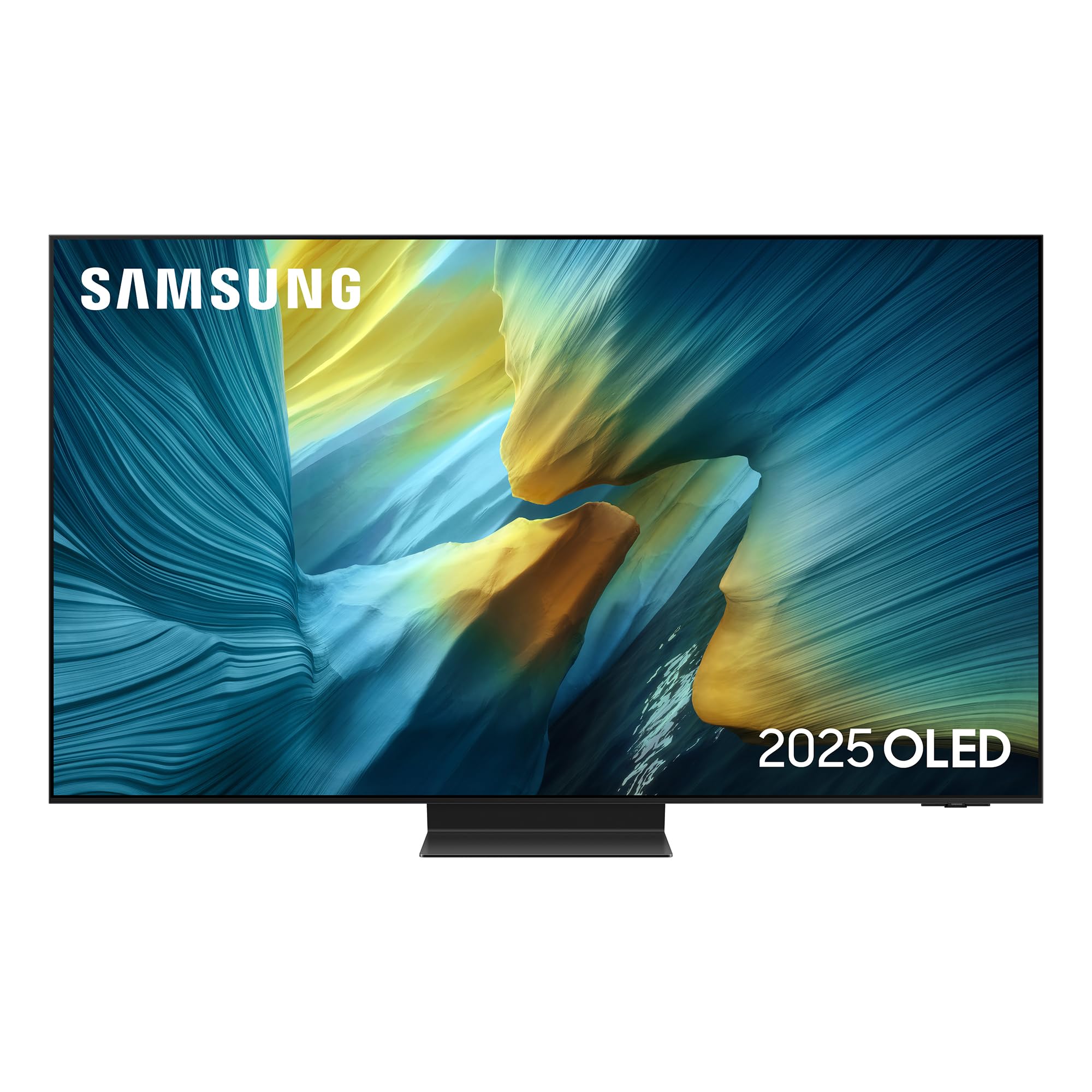
The tiers here split on brightness, size, and color technology. The best overall pick is the balanced flagship: perfect blacks with strong brightness for its panel type, high refresh with gaming features, and accurate cinema modes for movies. The best value pick trades some brightness for scale, offering a much larger screen for less than most smaller flagships, with the same smart platform and gaming features. The premium pick is the brightness leader, using a different panel technology for color that pops even in daylight, with an anti-glare coating for bright rooms, but without support for one popular movie format that film lovers care about. You are choosing between the balanced best, the biggest screen for the money, and the brightest panel.
Who should pick which tier depends on room and viewing habits. If you want the best all-round TV for movies, sports, and gaming in a typical room, the overall pick is the default. If you have a dedicated viewing space and want maximum immersion, the value pick's larger screen is the single biggest upgrade you can buy, even with a dimmer panel. If your living room is bright and sunlit, the premium pick's brightness and anti-glare coating earn their place. If you watch mostly in a dark room, do not pay extra for brightness you will rarely need.
The common mistakes are about size and settings. The first is buying too small for the viewing distance, then wondering why the picture does not feel cinematic. The second is leaving the TV in vivid showroom mode, which oversaturates color and crushes detail. The third is ignoring gaming features if you play, since refresh rate and input lag change how games feel. The fourth is placing a self-lit panel where static news tickers sit for hours, which risks uneven wear over time; vary content or use the panel-care features.
Buying guide expanded October 2026
What the reviews reveal
TV buyers consistently get one thing wrong: they buy the panel and forget the room. The brightest OLED still washes out against an uncurtained window, the matte screen that saves a sunlit living room slightly softens blacks in a dark theater, and the giant screen that thrills on movie night still needs two people and a wall that can hold it. The tradeoff that matters most in daily use is not peak brightness but sustained brightness and reflection handling at your actual seating position, in your actual light, at the hours you actually watch. A TV that dazzles in a ten-second highlight but dims through a bright scene, or one whose glossy panel mirrors your window all afternoon, will disappoint more than a slightly dimmer panel ever will. The recurring surprise is how much of the modern TV experience is now software negotiation: terms of service gates on setup, ad-heavy home screens, format gaps that only matter for one console or one streaming library. Measure the wall, sit in the room at your usual viewing hour, check which HDR formats your actual content uses, and only then compare panels. The best TV is the one that fits your light, not the one that wins the brightness chart.
Frequently asked questions
Is the premium pick worth it over the best overall pick?
It is worth it for bright rooms and color that pops in daylight. The premium pick uses a brighter panel technology with an anti-glare coating, which holds up where other panels wash out. But it lacks support for one popular movie format, which matters to film lovers. If you watch mostly in a dark or dim room, the overall pick is the better buy.
What is the tradeoff with the best value pick?
A dimmer panel than the flagship, and a very large screen that needs proper mounting and space. That means it will not hold up as well in a sunlit room, and installation is a two-person job. In return you get a much larger screen for less money, which is the biggest immersion upgrade available. For a dedicated viewing room, that tradeoff strongly favors the value pick.
How big a TV should I buy?
Bigger than you think, within what your room and wall can handle. Size is the single biggest immersion upgrade, and most buyers regret going too small far more often than too large. Measure your viewing distance and your wall or stand space before ordering. If you must choose between a smaller flagship and a larger step-down model, the larger screen usually wins for movies and sports.