🪥 Category guide
Best 3 Electric Toothbrushes on Amazon
The brush head is the whole ballgame: Oral-B's round oscillating heads and Philips' sonic elongated heads clean differently, and heads are only interchangeable within each brand's line — so you're committing to an ecosystem. Beyond that, a real pressure sensor (one that warns you when you press too hard) and a two-minute timer are the features that actually change brushing habits. Bluetooth and app coaching are nice, but they're the cherry on top, not the point.
Last researched September 28, 2026
How to choose
The brush head is the whole ballgame in electric toothbrushes. One major design uses round oscillating heads, while the other uses elongated sonic heads, and heads are only interchangeable within each brand's line, so you are committing to an ecosystem when you choose. Beyond that, a real pressure sensor that warns you when you press too hard and a timer that paces you through your mouth are the features that actually change brushing habits. Bluetooth and app coaching are nice, but they are the cherry on top, not the point.
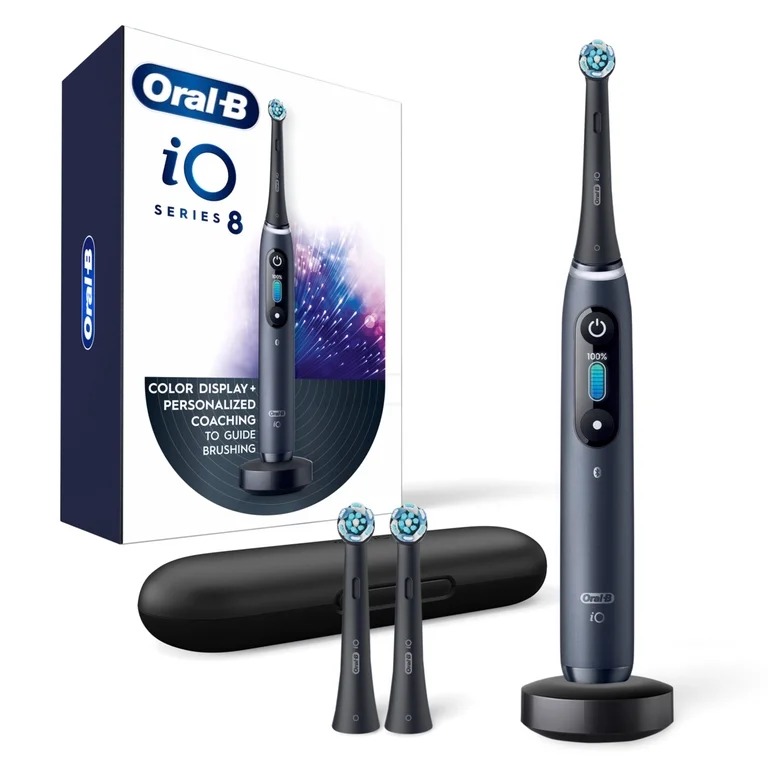
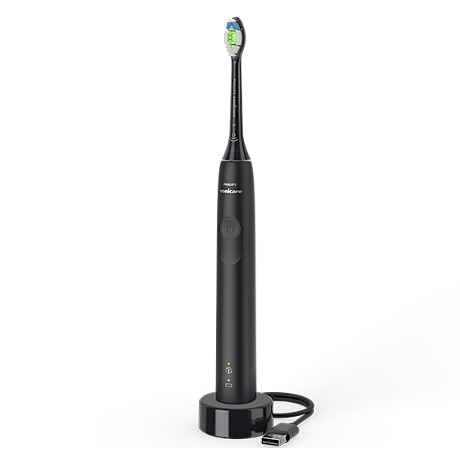
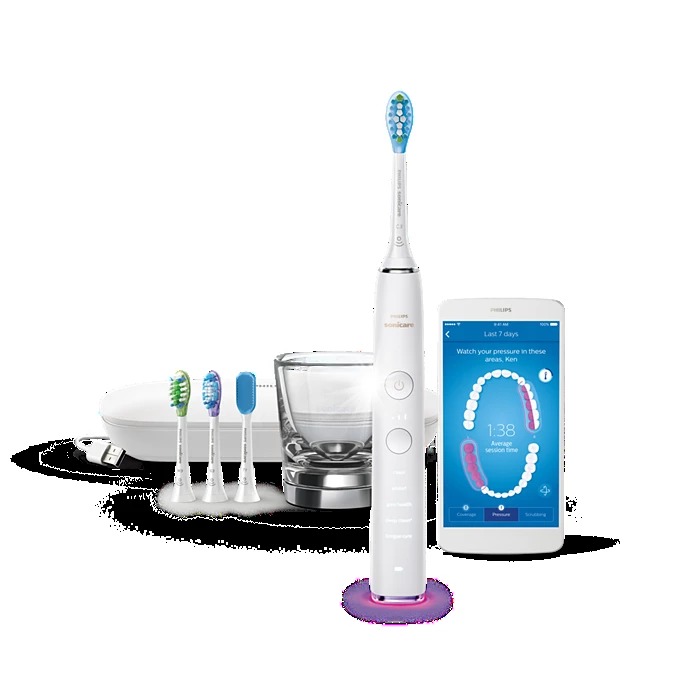
The tiers split on cleaning approach, simplicity, and luxury. The best overall pick uses a magnetic drive and round head to deliver the closest thing to a dentist clean at home, with a smart pressure sensor that signals when you press too hard or stay in the zone, plus an interactive display with multiple modes and guided brushing. The best value pick is the best-selling sonic brush: gentle sonic vibrations, a pressure sensor, and two intensities, with long battery life and head-replacement reminders, but no app connectivity or multiple cleaning modes. The premium pick is the luxury sonic brush: multiple modes and intensities, app coaching with a mouth map that shows exactly where you missed, and iconic charging design, but at a premium cost that buys refinement and app experience rather than dramatically cleaner teeth. You are choosing between dentist-like cleaning, simple value, and app-guided luxury.
Who should pick which tier depends on habits and budget. If you want the closest to a professional clean at home and you value guided feedback, the overall pick is the default. If you want a proven sonic brush with a pressure sensor for less, and you do not need an app, the value pick is the smart buy for most people. If you love app coaching, want a mouth map of missed spots, and enjoy premium design, the premium pick rewards you. If you already brush well with a manual brush and only want a timer and pressure sensor, the value pick covers everything you need.
The common mistakes are about pressure and routine. The first is pressing harder to clean better, when pressing harder wears enamel and the pressure sensor exists to stop you. The second is rushing through brushing in under a minute, when spending even time across all areas matters far more than any mode. The third is keeping worn heads for months, when worn bristles clean worse and can irritate gums. The fourth is paying for app coaching you will never open, when a simple timer and pressure sensor already change habits. Let the brush do the work, replace heads regularly, and trust the timer.
Buying guide expanded October 2026
What the reviews reveal
The mistake buyers keep making with electric toothbrushes is paying for coaching they will never open. App guidance, mouth maps, and multiple cleaning modes sound transformative in a product listing, but most owners settle into one mode, stop opening the app within weeks, and keep brushing exactly as they did before. The features that actually change habits are far duller: a pressure sensor you can feel, a timer that paces you through four quadrants, and a head-replacement reminder.
The tradeoff that matters most in daily use is not the cleaning technology but the ecosystem you are locked into. Round oscillating heads and elongated sonic heads are not interchangeable, and replacement heads for the smarter brushes cost more and only fit their own handles, so the brush you buy today decides what you keep buying for years. A brush that cleans slightly less impressively but whose heads are easy to find and affordable will serve most mouths better over five years than a flagship whose refills become a chore.
The recurring surprise is how much daily friction lives in the small details: a brush that leaks toothpaste down its handle, a charger that hogs the counter, a battery that dies mid-trip because recharging takes a full day, or an intensity setting with no indicator light. None of these show up in a spec sheet, all of them show up every morning, and they are the reason two brushes with near-identical cleaning performance can feel completely different to live with.
Frequently asked questions
Is the premium pick worth it over the best overall pick?
It depends on whether you value app coaching and luxury design. The premium pick offers app guidance with a mouth map, multiple modes, and iconic charging, which some users find genuinely motivating. But it does not clean dramatically better than the simpler picks. If you want the closest to a dentist clean, the overall pick is the stronger buy, so pay the premium for refinement and coaching, not for cleaner teeth.
What is the tradeoff with the best value pick?
No app connectivity or multiple cleaning modes, so it is one excellent mode with two intensities and nothing more. That matters only if you want guided feedback or varied modes for sensitive areas. In return you get a best-selling sonic brush with a pressure sensor and long battery life for less than a dinner out. For most buyers, that tradeoff strongly favors the value pick.
Which head design is better: round oscillating or sonic?
Both clean well when used properly, so the choice is about feel and ecosystem rather than a clear winner. Round oscillating heads cup each tooth and feel like a professional cleaning, while sonic heads use gentle vibrations across a larger area. Since heads only work within their own brand's line, choose based on which feel you prefer and which replacement heads you are happy to keep buying.