🌬️ Category guide
Best 3 Air Purifiers on Amazon
The only metric that really matters on an air purifier is CADR (clean air delivery rate) matched to your room size — a beautiful tower that can't turn over your room's air 4-5 times an hour is just furniture. Buy for the size of the space you actually spend time in, not the marketing headline's maximum square footage. True HEPA filtration is table stakes; the differences that matter day to day are noise at sleep speeds, filter replacement cost, and whether the purifier auto-adjusts to air quality so you never think about it. Smart features are a genuine plus in larger rooms where you want auto mode to do the work.
Last researched September 28, 2026
How to choose
The only metric that really matters on an air purifier is how much clean air it delivers for your room size, matched to the space you actually spend time in. A beautiful tower that cannot turn over your room's air several times an hour is just furniture, no matter what its headline coverage claims. True high-efficiency filtration is table stakes now; the differences that matter day to day are noise at sleep speeds, filter replacement cost, and whether the purifier adjusts itself to air quality so you never think about it.
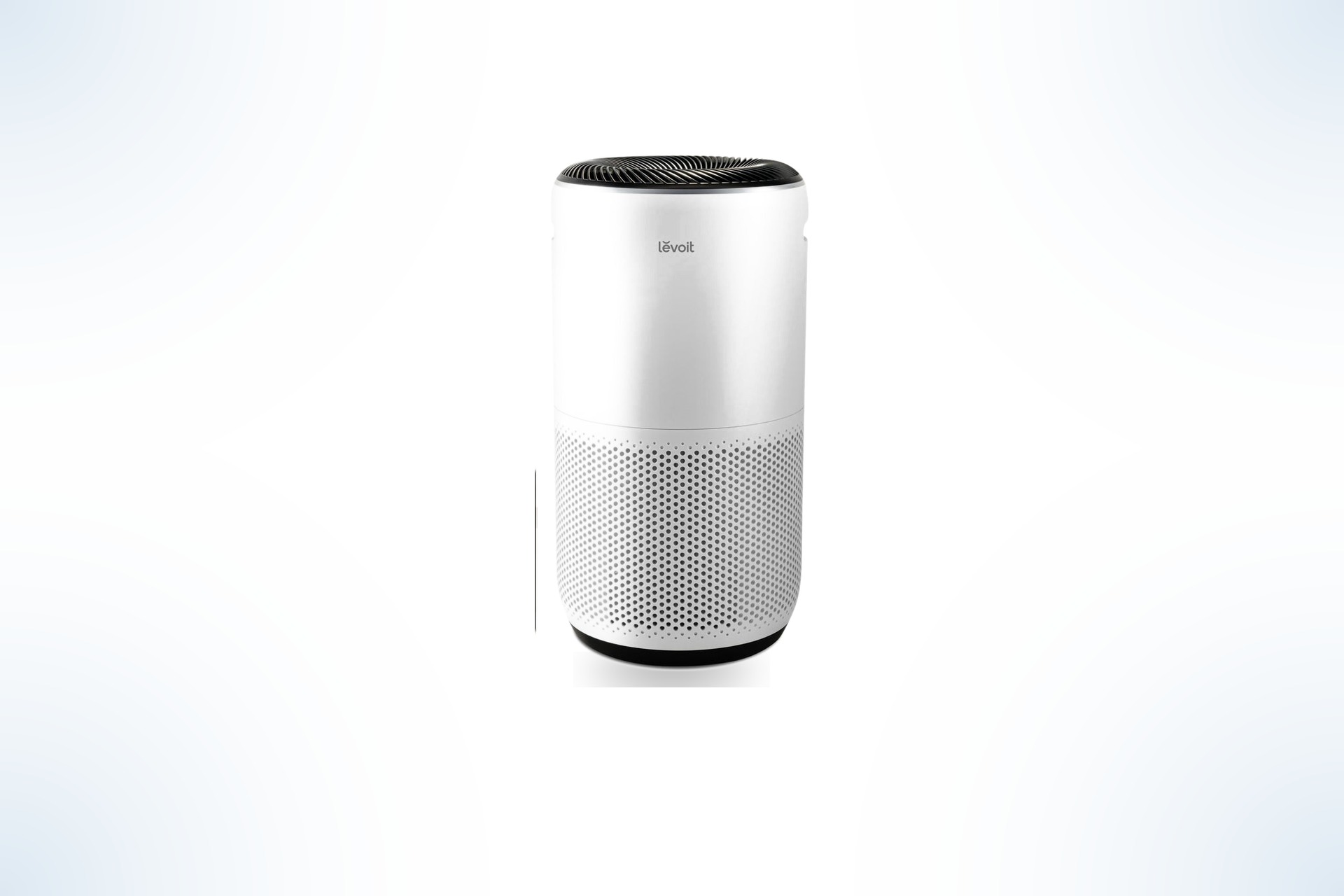
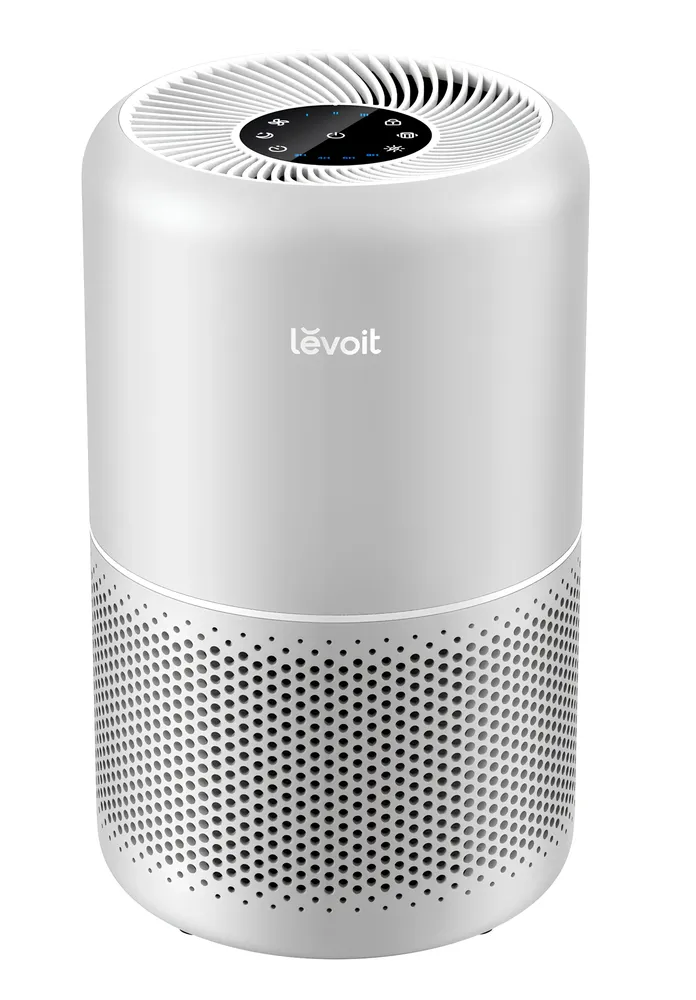
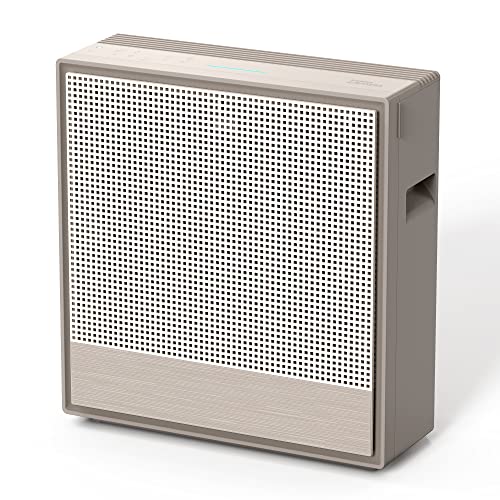
The tiers split on room size, smarts, and maintenance. The best overall pick combines strong large-room performance, whisper-quiet sleep mode, and genuinely useful smart controls at a mid-range cost, with automatic adjustment from a built-in air-quality sensor. The best value pick is the best-selling bedroom purifier: compact, quiet, and genuinely effective for bedrooms and offices, but with no smart features or air-quality sensor, so fan speed is manual and it cannot respond to a cooking smoke plume on its own. The premium pick is the set-it-and-forget-it option: the biggest effective range here for open-plan spaces, a washable pre-filter that extends the main filter's life, and real-time air-quality display with app control. You are choosing between smart all-round performance, bedroom value, and low-maintenance scale.
Who should pick which tier depends on room size and how much automation you want. If you need a purifier for a real living room or open-plan space and you want it to adjust itself, the overall pick is the default. If you need a bedroom or office purifier and you are happy to set fan speed manually, the value pick is hard to argue with. If you have a large open-plan space and want the closest thing to a maintenance-free purifier, the premium pick justifies itself. If you buy for a small bedroom, do not pay for open-plan range you will never use.
The common mistakes are about sizing and total cost. The first is buying by headline coverage instead of clean-air delivery for your room, which overstates what the purifier can actually do. The second is running a purifier in a room you rarely occupy, when a bedroom unit running all night beats a living-room beast you never turn on. The third is ignoring filter replacement cost, which is part of the real price of any purifier and adds up over years. The fourth is placing the purifier behind furniture or in a corner, where airflow is blocked and performance drops. Size for the room you live in, check filter costs, and give it breathing room.
Buying guide expanded October 2026
What the reviews reveal
The mistake purifier buyers keep making is buying a room size instead of an air-change rate. Headline coverage figures are usually quoted at one slow air change per hour, which sounds generous and cleans almost nothing in allergy terms; the useful figure is the smaller room the machine can turn over several times an hour. A purifier that is technically rated for a whole floor but only manages one lazy pass through a living room will leave a sensitive sleeper unimpressed, while a smaller unit running all night in a closed bedroom does the actual work. Measure the room you sleep in, not the largest room in the house.
The tradeoff that matters most in daily use is noise against cleaning power, and it is a tradeoff owners feel every night. Every purifier here is whisper-quiet on sleep mode and clearly audible at full speed, and Auto mode sits in between — spooling up exactly when cooking smoke or a dusty afternoon demands it. That means the machine you can tolerate running hard while you are awake, and the machine you can sleep beside, are sometimes different purchases. If you will only run it on low because high is too loud, you have bought a quieter, weaker purifier than the one on the box.
The recurring surprise is how much of the real cost and effort hides in filters and placement. Washable pre-filters, vacuuming schedules, six-month versus twelve-month replacement cycles and app-only timers all shape ownership more than a decibel rating does, and a purifier pushed behind furniture or into a corner loses airflow no sensor can recover. The unglamorous habits — a clear space around the unit, a filter changed on time, a bedroom door closed at night — are what turn a good purifier into noticeably cleaner air.
Frequently asked questions
Is the premium pick worth it over the best overall pick?
It is worth it for large open-plan spaces and lowest maintenance. The premium pick offers the biggest effective range here, a washable pre-filter that extends main filter life, and real-time air-quality display with app control. But its design is functional rather than beautiful, and its replacement filters cost more. For a typical living room, the overall pick already covers the job well.
What is the tradeoff with the best value pick?
No smart features or air-quality sensor, so fan speed is manual and it cannot respond to smoke or pollution spikes on its own. It is also too small for open living areas, so it is strictly a bedroom or office machine. In return you get a compact, quiet, genuinely effective purifier at a cost that is hard to argue with. If you want bedroom clean air without fuss, that tradeoff favors the value pick.
How do I size a purifier for my room?
Size by clean-air delivery, not by headline coverage numbers. Aim for delivery that covers a large share of your room's area so the air turns over several times an hour. A bedroom or office needs far less than an open-plan living space. Measure the room you actually spend time in, not the largest room in the house, and buy for that space.