💪 Category guide
Best 3 Massage Guns on Amazon
A massage gun lives or dies on four specs: amplitude (how deep the head travels — 12mm is the sweet spot for real deep-tissue work), stall force (how hard you can press before the motor gives up), speed range, and noise. Brushless motors matter — they're quieter and last far longer than the cheap brushed ones. Portability matters too: a full-size gun hits harder, but the one you actually use after every workout is the one that fits in your gym bag.
Last researched September 28, 2026
How to choose
A massage gun lives or dies on how deep it reaches, how hard you can press before the motor gives up, how wide its speed range is, and how loud it is. Depth of stroke is the sweet spot for real deep-tissue work, while stall force determines whether the gun keeps working when you press into dense muscle. Brushless motors matter because they run quieter and last far longer than cheap brushed motors. Portability matters too: a full-size gun hits harder, but the one you actually use after every workout is the one that fits in your gym bag.
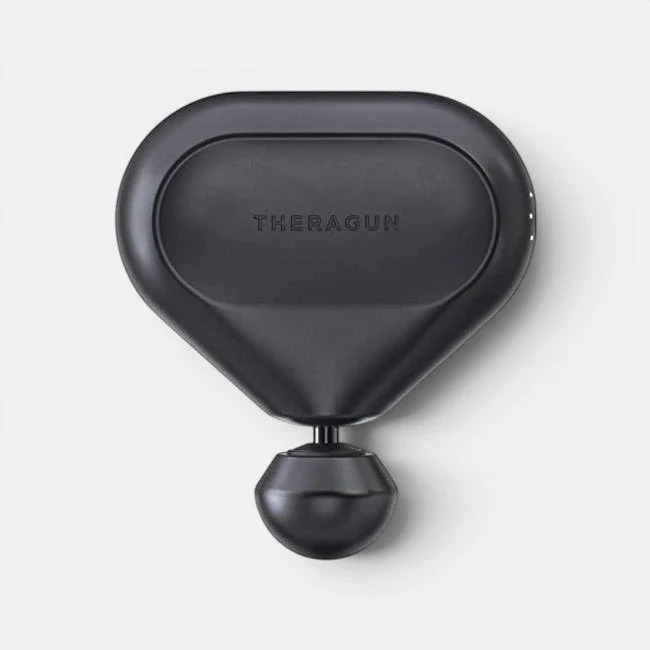
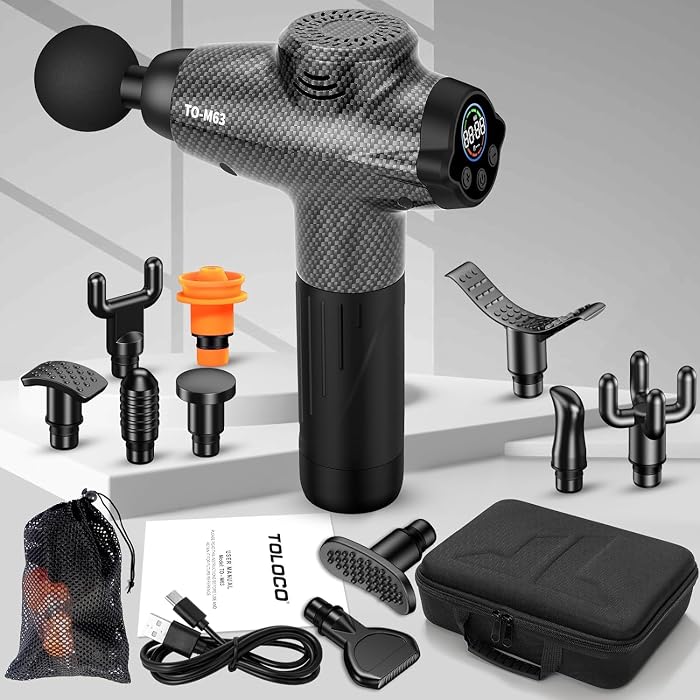
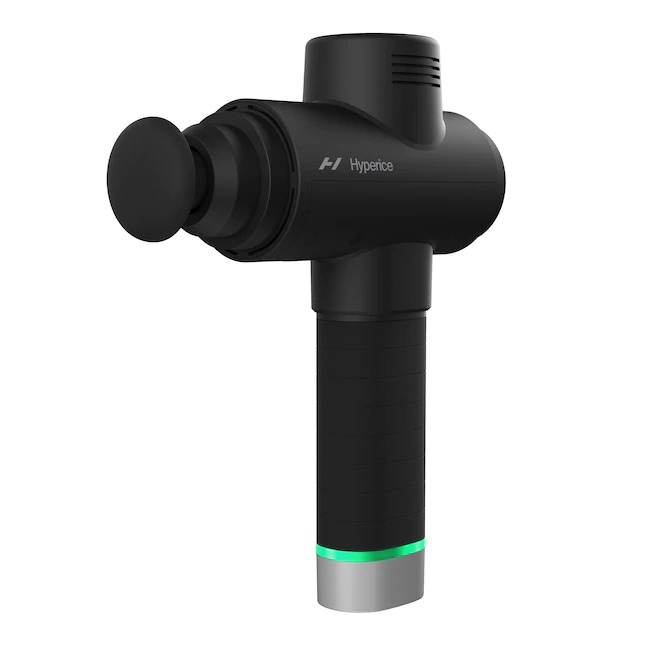
The tiers split on size, power, and refinement. The best overall pick is the recovery tool most people actually stick with: pro-level percussion in a compact, travel-friendly body, with guided routines that target your actual workout, but with less stall force than a full-size gun, so dense muscles take a touch more patience. The best value pick is shockingly capable for a fraction of the cost, matching deep-tissue specs on paper with many interchangeable heads and a smart screen, but with less refined percussion and heads that wear faster with heavy daily use. The premium pick is the pro-team choice: the most powerful and refined gun in its lineup, with a real pressure sensor, app control, and the widest attachment set, but heavier and pricier, especially if you massage only occasionally. You are choosing between the tool you will actually use, the budget surprise, and pro power.
Who should pick which tier depends on use frequency and muscle density. If you recover regularly and want a gun that travels anywhere and guides your routine, the overall pick is the default. If you want deep-tissue capability for a fraction of the cost and you do not mind replacing heads over time, the value pick is remarkable. If you are an athlete, coach, or daily user who wants maximum power and refinement, the premium pick justifies itself.
The common mistakes are about technique, not power. The first is starting on the highest speed and pressing hard, when you should start low and move slowly across muscle, not bone. The second is overdoing duration, since more is not better with percussion and next-day soreness means you overdid it. The third is using the gun on joints, the front of the neck, or bruised or strained areas, where it does not belong. The fourth is buying on headline power alone, when the gun you actually carry and use after workouts delivers far more benefit than a stronger gun left at home.
Buying guide expanded October 2026
What the reviews reveal
The mistake buyers keep making with massage guns is shopping for maximum power and then leaving the most powerful gun in a closet. A heavy, loud, full-size gun that never leaves the shelf delivers nothing, while a smaller, quieter gun that lives in a gym bag and gets used after every workout delivers real recovery. Portability, noise, and grip comfort decide use frequency, and use frequency decides results far more than any headline stall-force figure.
The tradeoff that matters most in daily use is weight against reach. The guns that hit hardest are also the ones that tire your wrist when you work on your own back, shoulders, or legs, and a gun you cannot comfortably hold for a full session will not get used for a full session. That is why grip shape and balance show up so often in owner complaints: a triangular or angled grip that lets you reach behind your legs without contorting matters more than one more speed setting.
The recurring surprise is how quickly the battery becomes the story. Motors tend to hold up, but batteries fade, cheap guns can develop rattles and housing cracks, and attachment rubber peels with heavy use. A removable battery, a standard USB-C charger, and a brand with a real warranty are worth more over two years than a slightly higher speed range, because the gun that still holds a charge in year two is the only one still doing any good.
Frequently asked questions
Is the premium pick worth it over the best overall pick?
It is worth it for daily users and athletes who want maximum power and refinement. The premium pick offers a real pressure sensor, app control, and the widest attachment set, with pro-level power. But it is noticeably heavier and pricier, which stings if you massage only occasionally. For most regular users, the overall pick's compact power and guided routines already cover recovery well.
What is the tradeoff with the best value pick?
Percussion feels less refined than premium guns, and heads wear faster with heavy daily use. That matters if you use the gun every day for intense recovery. In return you get deep-tissue capability, many heads, and quiet operation at a fraction of the cost, with cheap replacements. For occasional or moderate use, that tradeoff strongly favors the value pick.
How should I actually use a massage gun?
Start on the lowest speed and move slowly, about an inch per second, pressing into tender muscle rather than bone. Limit each muscle group to a couple of minutes, since more is not better and soreness the next day means you overdid it. Avoid joints, the front of the neck, and any bruised or strained area. When in doubt about an injury, ask a physio before using percussion on it.