🪑 Category guide
Best 3 Ergonomic Office Chairs on Amazon
You spend a third of your waking life in this chair. Adjustability — lumbar, armrests, seat depth, recline — is what separates ergonomic chairs from expensive stools. Buy the best you can justify; your spine is the ROI.
Last researched September 28, 2026
How to choose
You spend a large share of your waking life in your desk chair, so adjustability is the whole game. Lumbar support, armrest position, seat depth, and recline tension decide whether a chair supports your spine through a workday or slowly encourages slouching. Material matters too: breathable suspension keeps you cool and distributes pressure, while leather and padding feel different over long sessions. Build quality and warranty length are honest signals, since a chair backed for a decade is built differently from one backed for a year. Size and fit matter as much as features, because a chair sized wrong for your body cannot be adjusted into comfort.
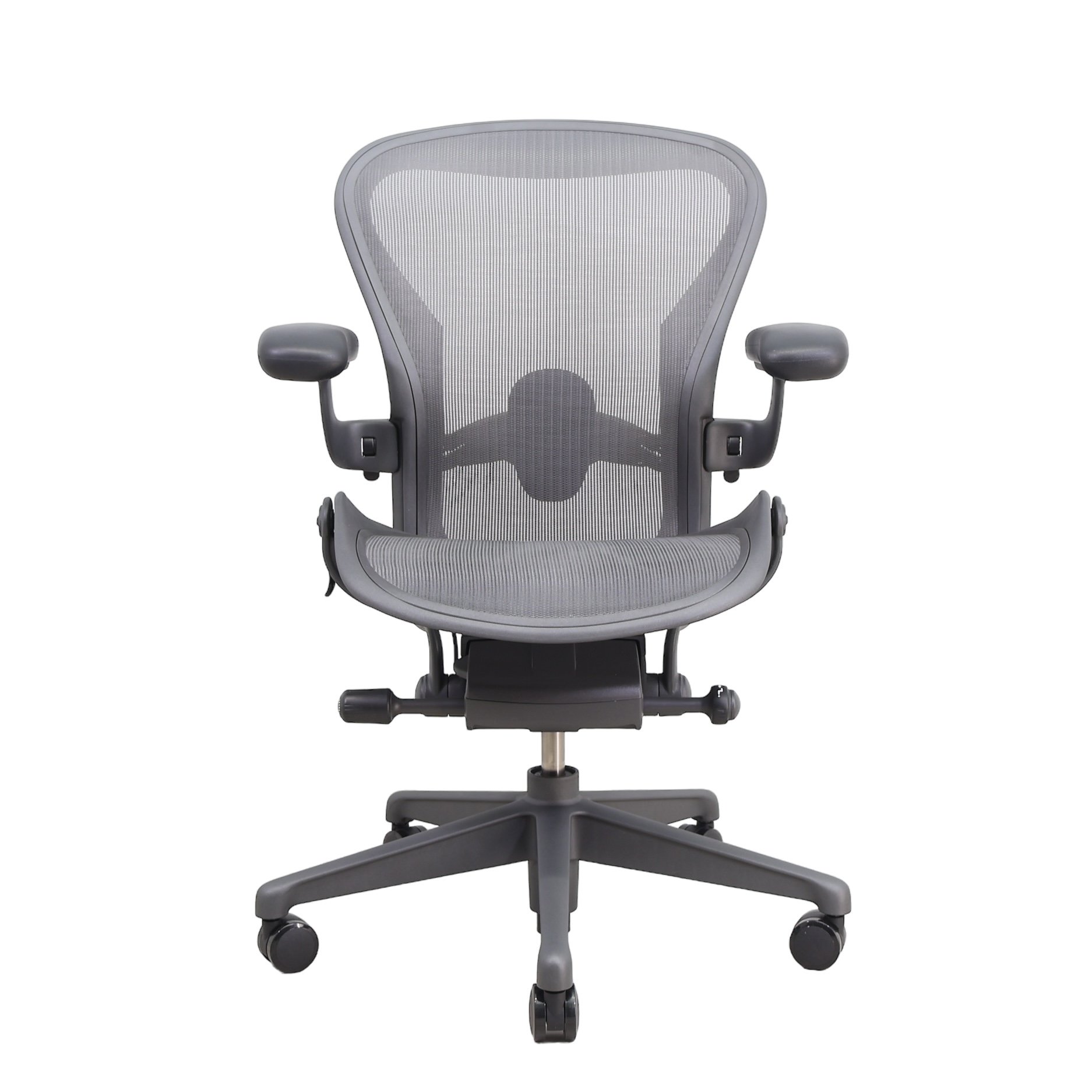
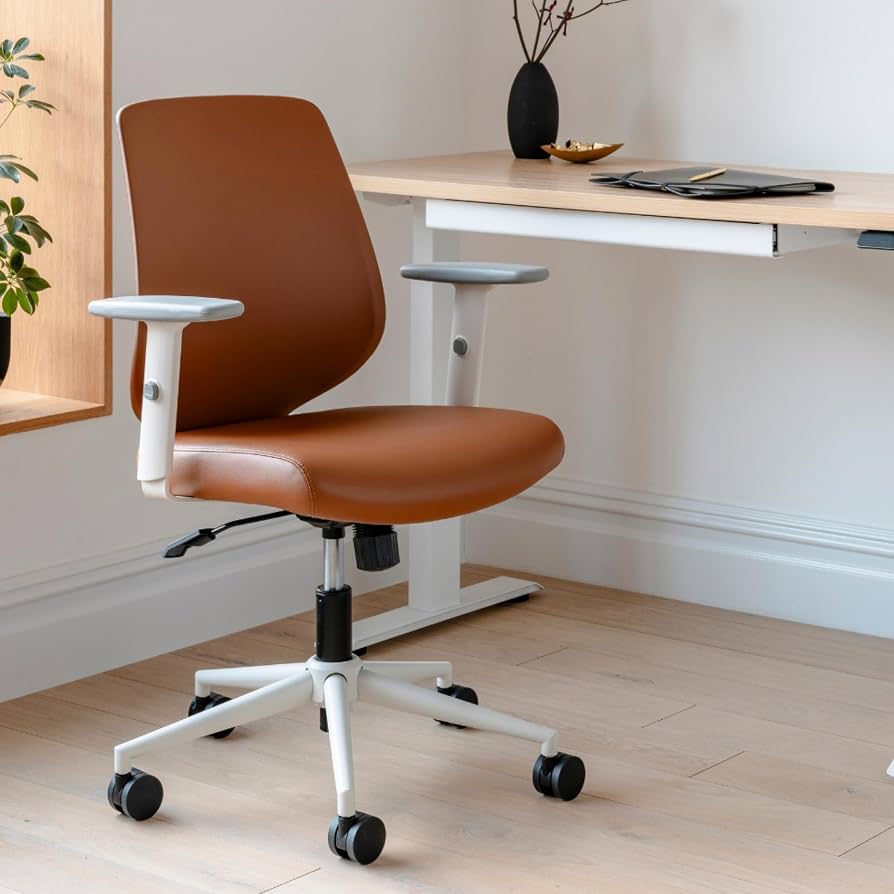
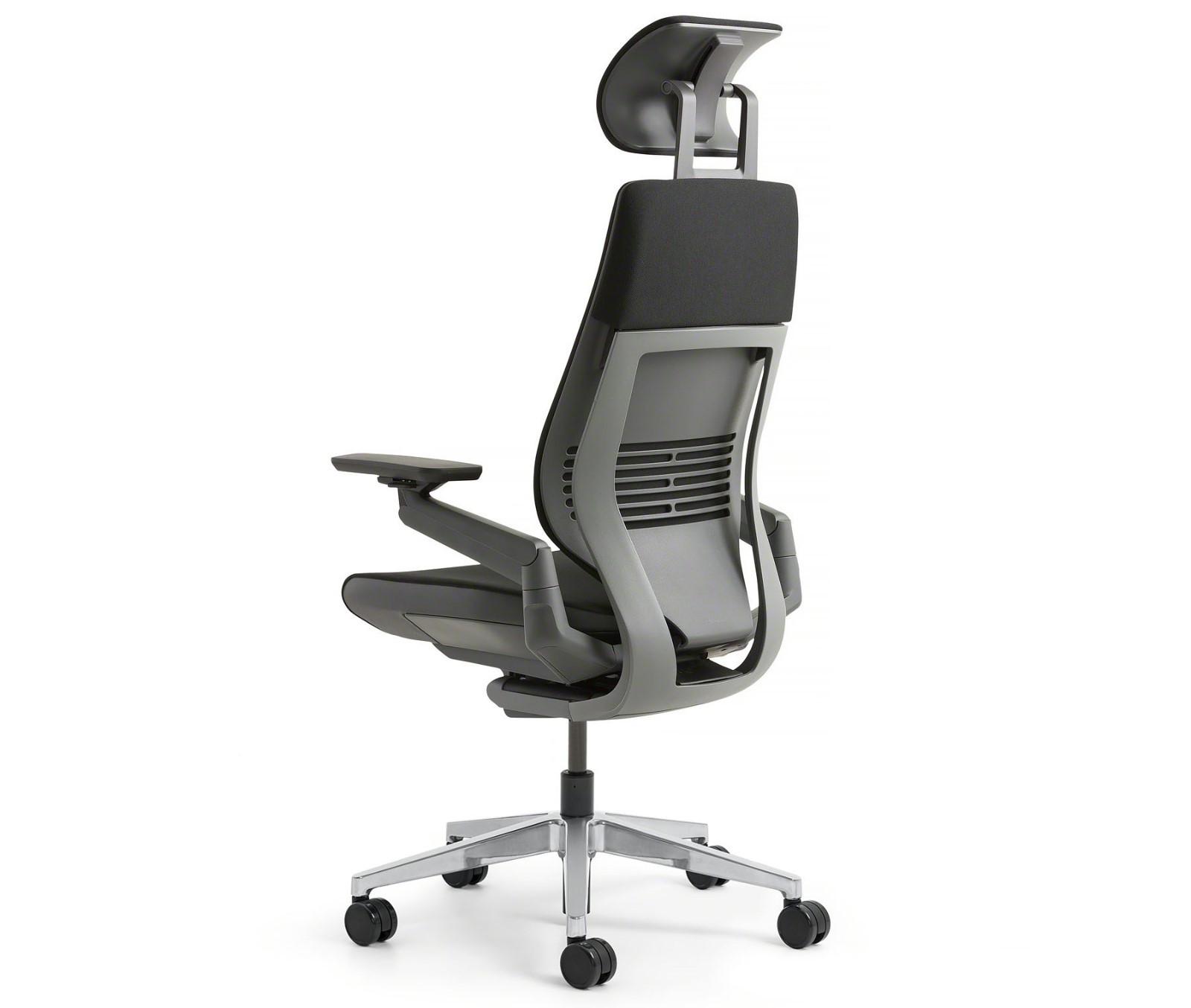
The tiers split on adjustability, materials, and longevity. The best overall pick is the benchmark task chair: suspension zones that support without pressure points, a back design that maintains the spine's natural curve, and a warranty that reflects buy-it-once construction. The best value pick is a genuinely ergonomic chair for a fraction of flagship cost, with adjustable lumbar and a breathable mesh back, but with a weight limit and fewer adjustments than the flagships. The premium pick is the movement chair: arms that stay under your elbows as you type, swipe, and recline, synchronized seat-and-back movement for every posture, and a leather and headrest configuration that feels executive. You are choosing between the benchmark, the smart saving, and the most adjustable chair here.
Who should pick which tier depends on hours, body, and budget. If you sit for long workdays and want the proven benchmark with the longest backing, the overall pick is the default. If you want real ergonomics without flagship cost and you fall within its weight limit, the value pick covers most people well. If you shift postures constantly, work across devices, and want arms and back that follow your body, the premium pick justifies its weight and cost. If you are outside the value pick's weight limit or need seat-depth adjustment that the overall pick lacks, check sizing carefully before ordering any of these.
The common mistakes are about fit and priorities. The first is buying a chair in the wrong size, especially for models that come in multiple sizes, which ruins ergonomics no matter how good the design. The second is prizing a headrest over lumbar and seat-depth adjustment, when the latter matter far more for most people. The third is ignoring weight limits and warranty length, which reveal build quality more honestly than marketing. The fourth is judging comfort from a brief sit in a showroom, when real comfort shows up after hours of work, not minutes.
Buying guide expanded October 2026
What the reviews reveal
The mistake owners keep making with office chairs is judging them by the first sit. A chair that feels plush for ten minutes in a showroom or on unboxing day can turn punishing by hour six, and a chair that feels firm and strict at first, like the Aeron, can be the one whose support is still holding at the end of the day. The honest test is a full workweek, not a first impression, and that is why return windows and trial periods matter more here than in almost any other category on this site.
The tradeoff that actually matters most in daily use is not the headrest or the leather, it is whether the chair's adjustments match the way you really sit. A height-only lumbar that lands in the wrong spot on your back, armrests that sit too high at their lowest setting, or a recline with only a few preset stops will irritate you every single day, while a headrest you use twice a week will not. Buyers who shift postures constantly get real value from arms and a back that follow them; buyers who sit in one upright position for eight hours get more from a chair that simply holds that position without drift.
The recurring surprise is how much of a chair's quality lives in the parts that wear, not the parts that impress. Seat foam compresses, arm pads tear, headrests go floppy, and mesh either holds its tension for years or it does not. A long warranty is a useful signal, but it is the daily-contact parts that decide whether a chair still feels good in year three, so owner reports from year two and beyond are worth more than any launch review.
Frequently asked questions
Is the premium pick worth it over the best overall pick?
It is worth it if you constantly shift postures and want arms and back that follow your body. The premium pick offers arms that stay under your elbows as you move and synchronized movement for every posture, plus a leather and headrest configuration. But it is heavy and priced as a buy-it-for-life commitment. For most desk workers, the overall pick's benchmark ergonomics already cover the workday.
What is the tradeoff with the best value pick?
A weight limit and fewer adjustments than the flagships. That means it is great for most people but not for all, especially larger users or those who need fine-grained adjustment. In return you get adjustable lumbar, a breathable mesh back, and solid build well above typical budget chairs at a fraction of flagship cost. Check the limit before ordering.
What matters more: lumbar support or a headrest?
Lumbar support and seat depth matter more for most people. A headrest helps when you recline often, but lumbar support shapes your posture for the entire workday. If you must choose, prioritize a chair that lets you dial in lumbar position and seat depth. A headrest is a welcome addition, not a substitute for proper back support.