📷 Category guide
Best 3 Flagship Mirrorless Cameras on Amazon
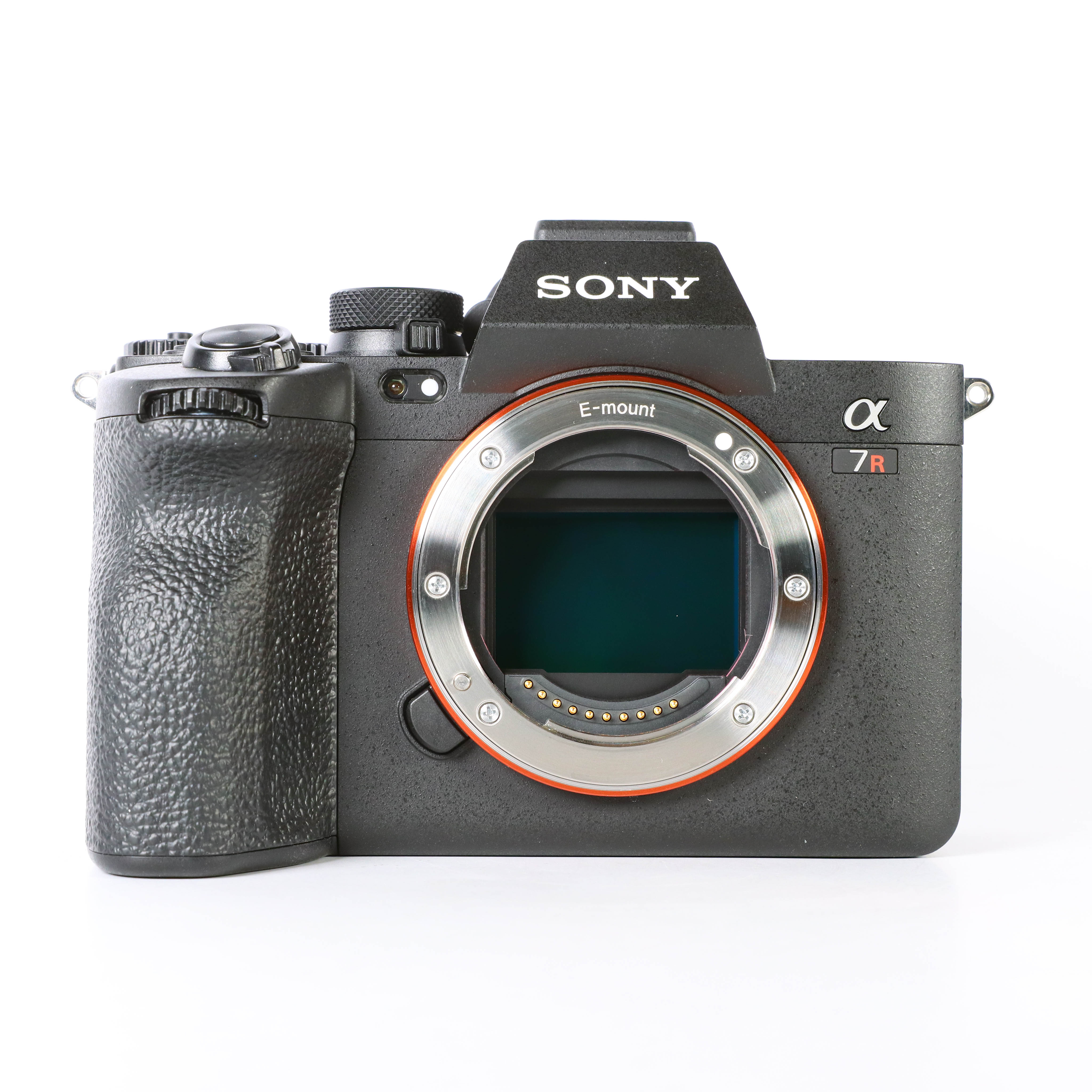
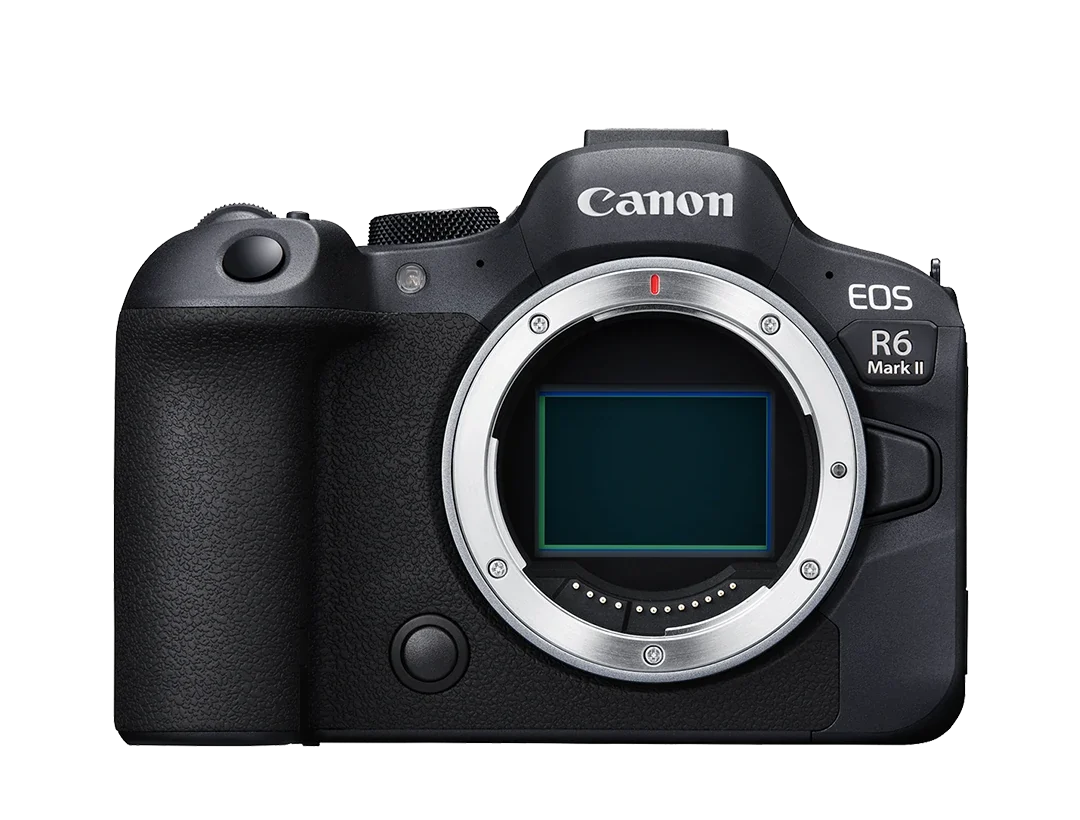
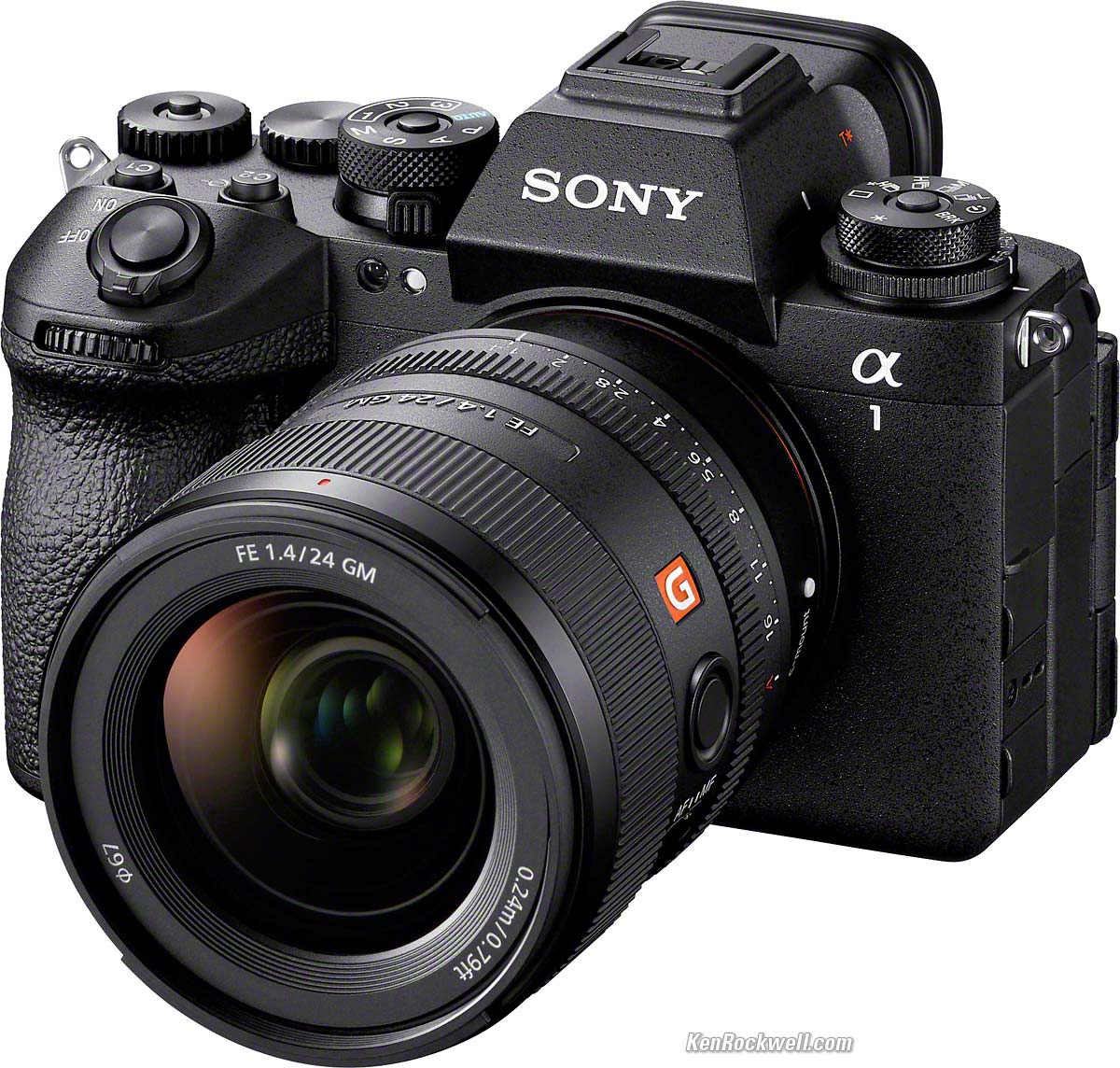
Flagship mirrorless bodies are where sensor tech, autofocus, and video converge. These three cover the full spread: the versatile high-resolution all-rounder, the smart-money hybrid, and the no-compromise speed flagship.
Last researched September 28, 2026
How to choose
Flagship mirrorless bodies are where sensor technology, autofocus, and video converge, and the choice is less about megapixels than about what you shoot. Autofocus reliability decides whether you keep the shot, especially for moving subjects, where subject recognition and tracking matter more than burst speed alone. Video capability matters even for stills shooters now, since hybrid bodies are expected to handle both. Lens mount matters enormously, because switching brands later means rebuying glass, and glass matters more than the body for image quality. Ergonomics, battery life, and heat management shape real shooting days more than a spec sheet suggests.
The tiers split on resolution, speed, and value. The best overall pick is the versatile high-resolution all-rounder: class-leading detail with strong video in one body, without the price jump of a stacked-sensor flagship. The best value pick is the smart-money hybrid: flagship-tier stills, sports, and video for the least money, with fast burst shooting and reliable tracking, but with lower resolution that trails rivals for heavy cropping and large prints. The premium pick is the no-compromise speed flagship: high resolution plus very fast blackout-free shooting with relentless tracking, nearly matching the all-rounder on detail while doubling its speed, but at nearly double the cost of the value pick. You are choosing between versatility, smart value, and outright speed.
Who should pick which tier depends on subject and output. If you shoot landscapes, portraits, and commercial work and want maximum detail with strong video, the overall pick is the default. If you shoot a mix of stills, sports, and video and want flagship capability for the least money, the value pick is the smart buy. If you shoot professional action, wildlife, or sports where speed and tracking decide income, the premium pick justifies itself. If you mostly share online and rarely crop heavily or print large, even the value pick's resolution is more than enough.
The common mistakes are about system, not body. The first is buying a flagship body and pairing it with a kit lens, which wastes the sensor. The second is choosing a mount without considering the lenses you will need over years, since switching later is expensive. The third is prioritizing megapixels over autofocus and video features that affect every shoot. The fourth is buying the body-only version without budgeting for lenses, cards, and batteries, which are part of the real system cost. Choose the system first, then the body within it.
Buying guide expanded October 2026
What the reviews reveal
Flagship camera buyers keep paying for headline numbers they will rarely use at full strength, then discovering the conditions attached. Burst rates assume a lossy or compressed file, electronic shutters skew fast subjects, buffer depths assume the fastest and most expensive cards, and resolution that looks decisive on paper becomes a storage and editing burden on a real shoot. The tradeoff that matters most is not body versus body but system versus system: the lenses you will buy over years, the cards and computer that can actually swallow the files, and whether your subjects reward speed, resolution, or low-light reliability. A wedding shooter drowning in files gains more from manageable sizes and dependable autofocus than from extra megapixels; a bird photographer loses more to a missed moment than to a slightly smaller print. The recurring surprise is how often the mid-tier pick wins the working day: it overheats less, fills cards slower, and costs little enough to leave budget for glass, which is where image quality actually comes from. And the premium pick's real justification is rarely its spec sheet — it is the grip that still feels good at hour six, the button that catches the takeoff, the autofocus that holds when a subject turns away. Buy the camera whose compromises you will notice least on your hardest shoot, not the one whose brochure you liked most.
Frequently asked questions
Is the premium pick worth it over the best overall pick?
Only if you shoot professional action where speed decides results. The premium pick nearly matches the all-rounder on resolution while doubling its shooting speed with blackout-free bursts and relentless tracking. For landscapes, portraits, and general work, the overall pick already delivers class-leading detail. Pay the premium for speed under pressure, not for better everyday image quality.
What is the tradeoff with the best value pick?
Lower resolution that trails rivals for heavy cropping and large prints. That matters if you crop aggressively or print very large. In return you get flagship-tier stills, sports, and video capability for the least money, with fast bursts and reliable tracking. For most shooters who share online or print at normal sizes, that tradeoff favors the value pick.
Should I spend more on the body or on lenses?
On lenses, once you have a capable body. Glass determines sharpness, aperture, and character far more than the body does, and good lenses last across multiple body upgrades. A flagship body with a weak kit lens is a mismatch. Budget for at least one strong lens in the focal range you actually shoot, before chasing the next body tier.