🥤 Category guide
Best 3 High-Speed Blenders on Amazon
High-speed blenders earn their keep with raw power: enough to pulverize frozen fruit, fibrous greens, and nuts into silk. Motor strength, jar design, and warranty separate the great from the merely loud.
Last researched September 28, 2026
How to choose
A high-speed blender earns its place by doing what ordinary blenders cannot: turning frozen fruit, fibrous greens, and nuts into a smooth texture without chunks or grit. That comes down to motor strength, jar shape, and how the blades create a vortex that pulls ingredients down instead of spinning them around the sides. A tamper matters more than it looks, because thick blends stall without something to push ingredients into the blades. Noise, height, and cleaning effort decide whether the blender gets used daily or gathers dust, since a machine that is painful to clean or too tall for your cabinets will not survive the novelty phase. Warranty length is a quiet signal of how long the maker expects the motor to last under daily use.
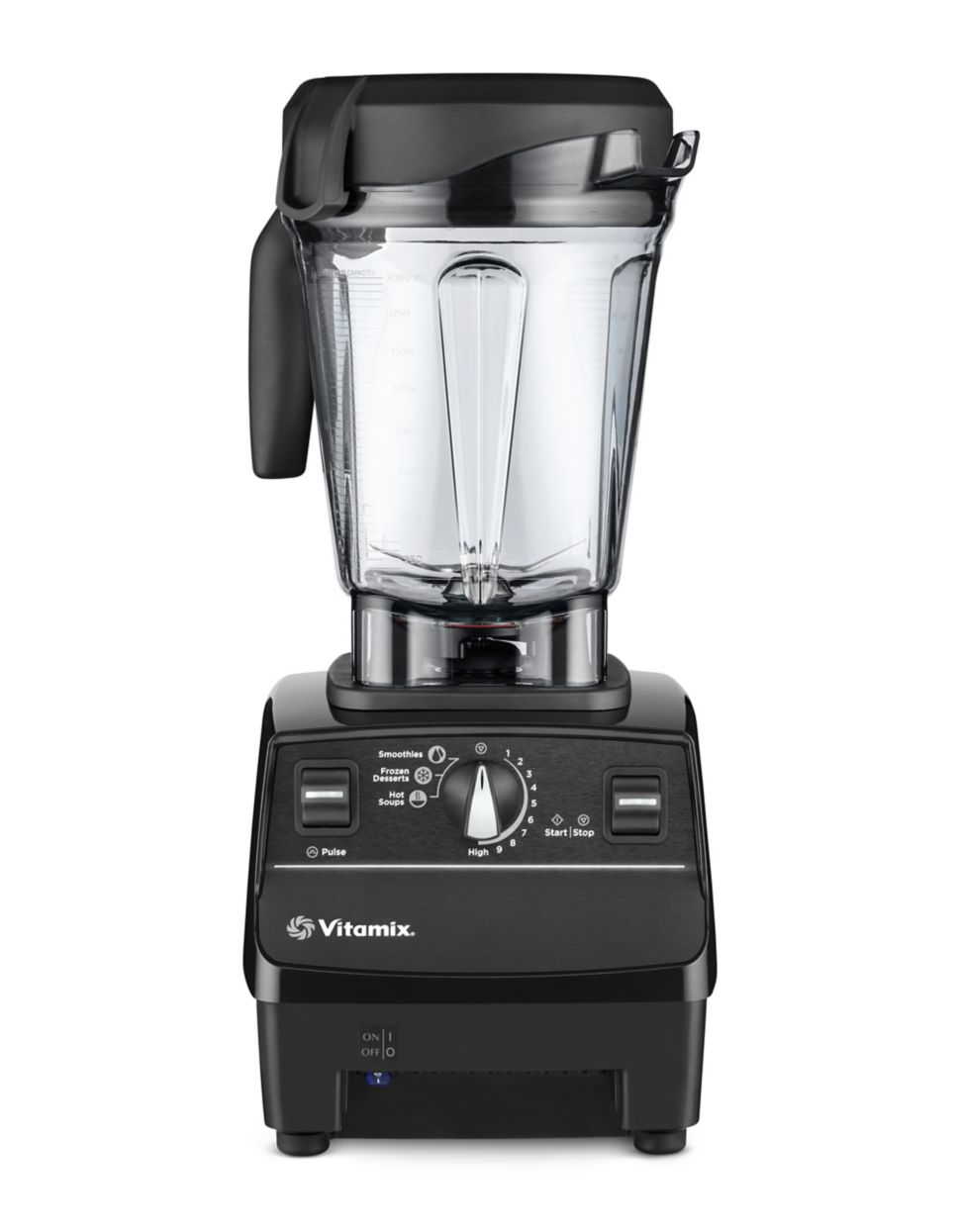
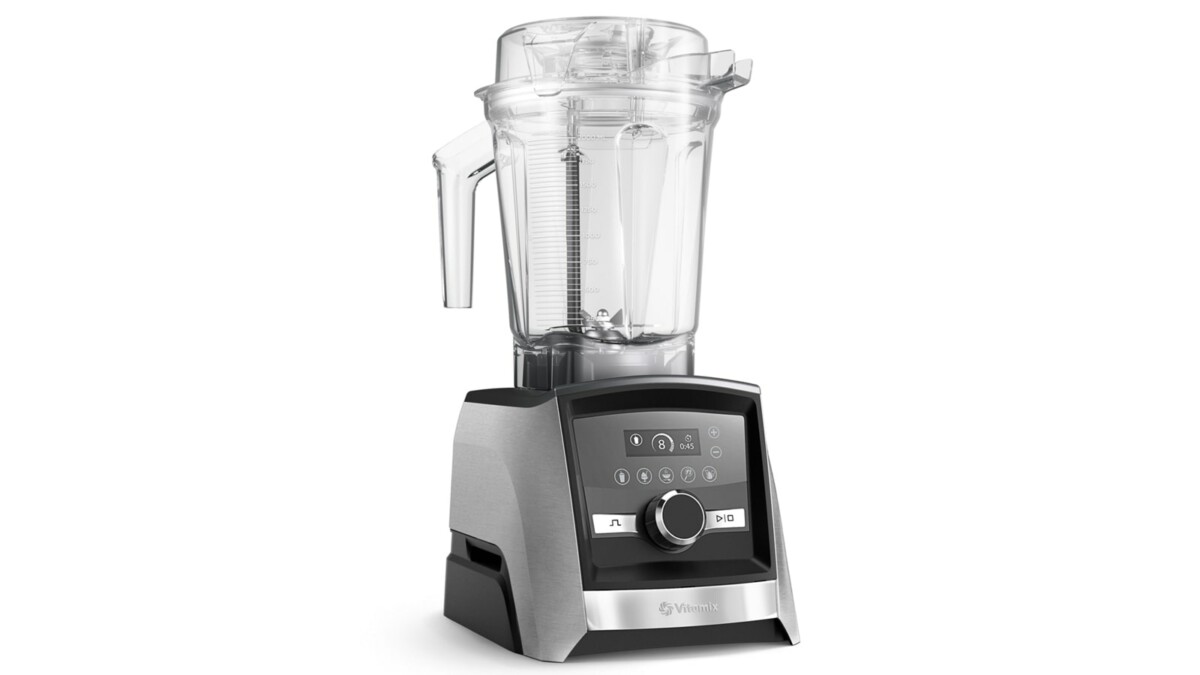
The tiers split on power, refinement, and ecosystem. The best overall pick is the classic workhorse: strong, durable, self-cleaning with soap and water, and proven over years of daily smoothies and hot soups. The best value pick is a genuine high-speed blender at a fraction of the cost, with preset programs and solid build, but less raw power and a shorter warranty, so heavy daily use will show sooner. The premium pick is the modern flagship: noticeably quieter, with containers that auto-adjust programs and a sleeker design, but extra containers cost extra, so the full system adds up. All three blend well; they differ in how hard you can push them, how quietly, and for how many years.
Who should pick which tier depends on how often and how hard you blend. If you blend daily, make nut butters or hot soups, and want a machine that lasts for years, the overall pick is the safe default. If you blend a few times a week for smoothies and want real performance without the flagship cost, the value pick covers everyday jobs well. If you prize quiet operation, smart programs, and a design you are happy to leave on the counter, the premium pick justifies itself. If you only blend soft fruit and protein shakes occasionally, even the value pick may be more blender than you need.
The common mistakes are practical, not technical. The first is buying on preset count instead of motor and jar design, when presets cannot rescue a weak vortex. The second is ignoring height: full-size blenders are tall with the lid on, and many do not fit under cabinets. The third is layering ingredients badly, which causes cavitation where blades spin in air while food sits above them. The fourth is skipping the tamper for thick blends, which turns a smooth job into a stop-start frustration. Get those four right and any of these three will serve you well.
Buying guide expanded October 2026
What the reviews reveal
The buying mistake with high-speed blenders is shopping for power on paper while ignoring the two things that decide whether the machine survives the novelty phase: noise and washing. A blender that sounds like a vacuum cleaner at full speed gets used at 6 a.m. exactly once before a household negotiates new rules about when blending is allowed. Washing is the other quiet killer: a self-cleaning cycle sounds hands-free until sticky nut butter or protein residue needs a brush anyway, and a hand-wash-only jar is a different daily commitment than a dishwasher-safe one.
The tradeoff that matters most in daily use is jar shape against batch size, and it cuts both ways. A tall, narrow jar builds the strongest vortex and handles both small and large batches well, but thick blends are hard to scrape out of it, so nut butter and hummus lose a stubborn last spoonful to the walls. A wider, lower-profile jar is easier to scrape and store but leans harder on the tamper for thick work. Either way, the tamper is not an accessory; it is the tool that keeps thick blends moving without stopping to stir, and the owners who struggle most are usually the ones blending thick recipes without it or without enough liquid.
The surprise spec sheets hide is ecosystem lock-in. The newest flagship line only accepts its own self-detecting containers, so an older jar collection does not carry over, and the smaller included jar means big households blend in two batches unless they buy more. On the budget end, the surprise runs the other way: a plastic drive system that wears under heavy ice and frozen loads, with owner-feedback roundups reporting worn gear threads and a detaching control knob. Power ratings will not tell you either story.
Frequently asked questions
Is the premium pick worth it over the best overall pick?
It is worth it for quiet operation and smart convenience, not for more blending power. The premium pick runs noticeably quieter and its containers auto-adjust programs, which removes guesswork. But the overall pick already handles the same tough blends and has a longer track record. Pay the premium for refinement and a sleeker counter presence, not for smoother smoothies.
What is the tradeoff with the best value pick?
Less raw power and a shorter warranty than the flagship, so very heavy daily use will show sooner. It still handles everyday smoothies and soups well, with preset programs and solid build quality. If you blend occasionally or a few times a week, that tradeoff is easy to accept. If you blend thick nut butters daily, step up to the overall pick.
Why do my smoothies come out chunky?
Usually it is layering or a missing tamper, not the blender. Put liquids first, then soft items, then frozen ingredients on top, so the blades form a vortex that pulls everything down. For thick blends, use the tamper to push ingredients into the blades instead of stopping to stir. If the blend still stalls, add a splash more liquid rather than running the motor longer.