🎧 Category guide
Best 3 Ultra-Premium Headphones on Amazon
Most headphones are built to a price. These are built to a standard: flagship drivers, exotic materials, and sound that reviewers reach for superlatives to describe. You don't need any of them — but if you want the best, these are the three worth auditioning.
Last researched September 28, 2026
How to choose
Most headphones are built to a price. These are built to a standard, and that changes how you should judge them. At this level, driver design, materials, and tuning philosophy matter more than feature lists, because there is no cancelling, no microphone array, and no app to hide behind. Sound is the whole product. Open-back designs dominate here, which means they leak sound outward and let room noise in, so they belong in quiet rooms, not on commutes. Source quality matters enormously, since flagship headphones reveal everything upstream, including weak amplification and compressed recordings. Comfort matters as much as sound, because these are heavy, premium objects you will wear for long listening sessions.
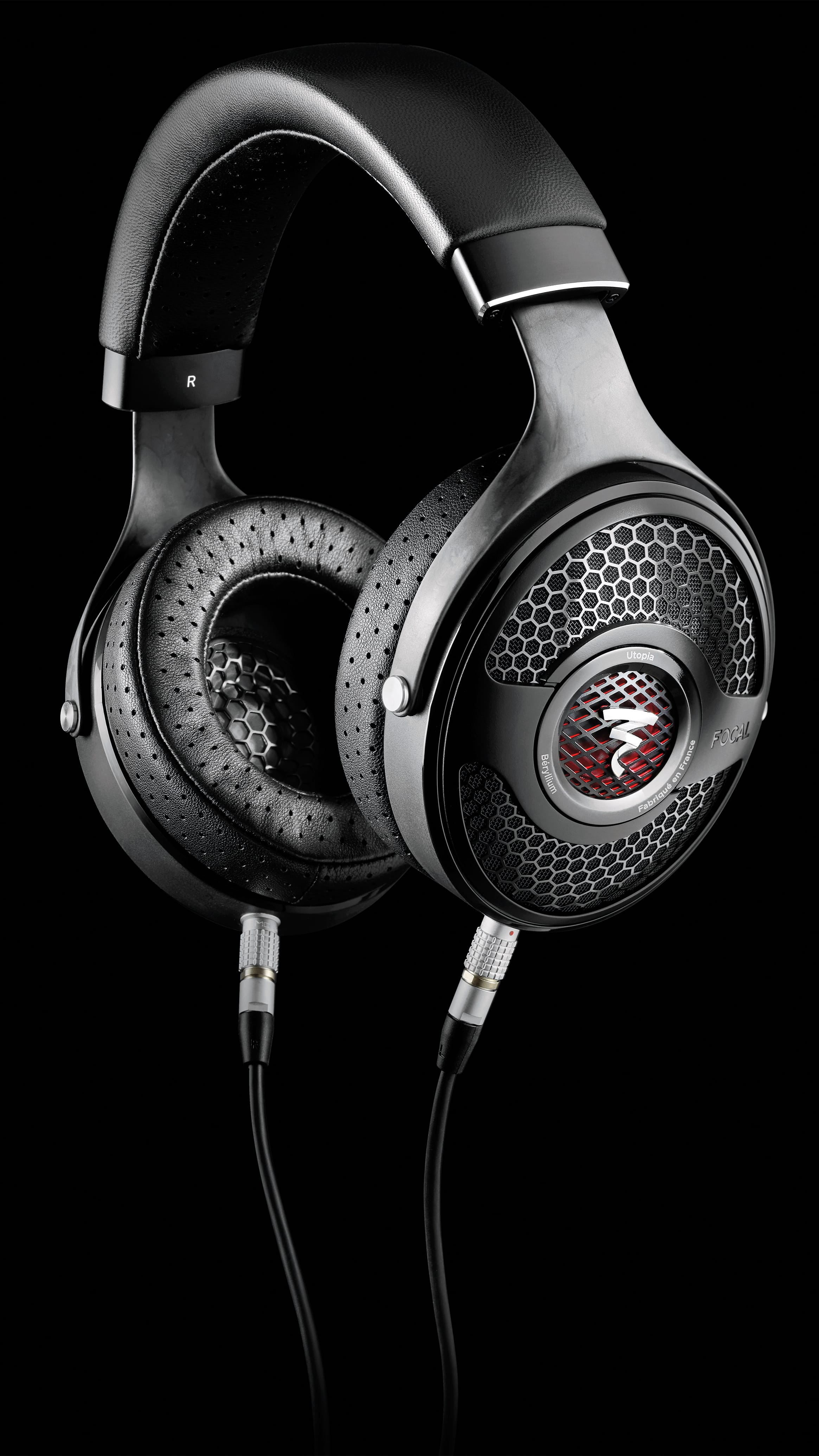
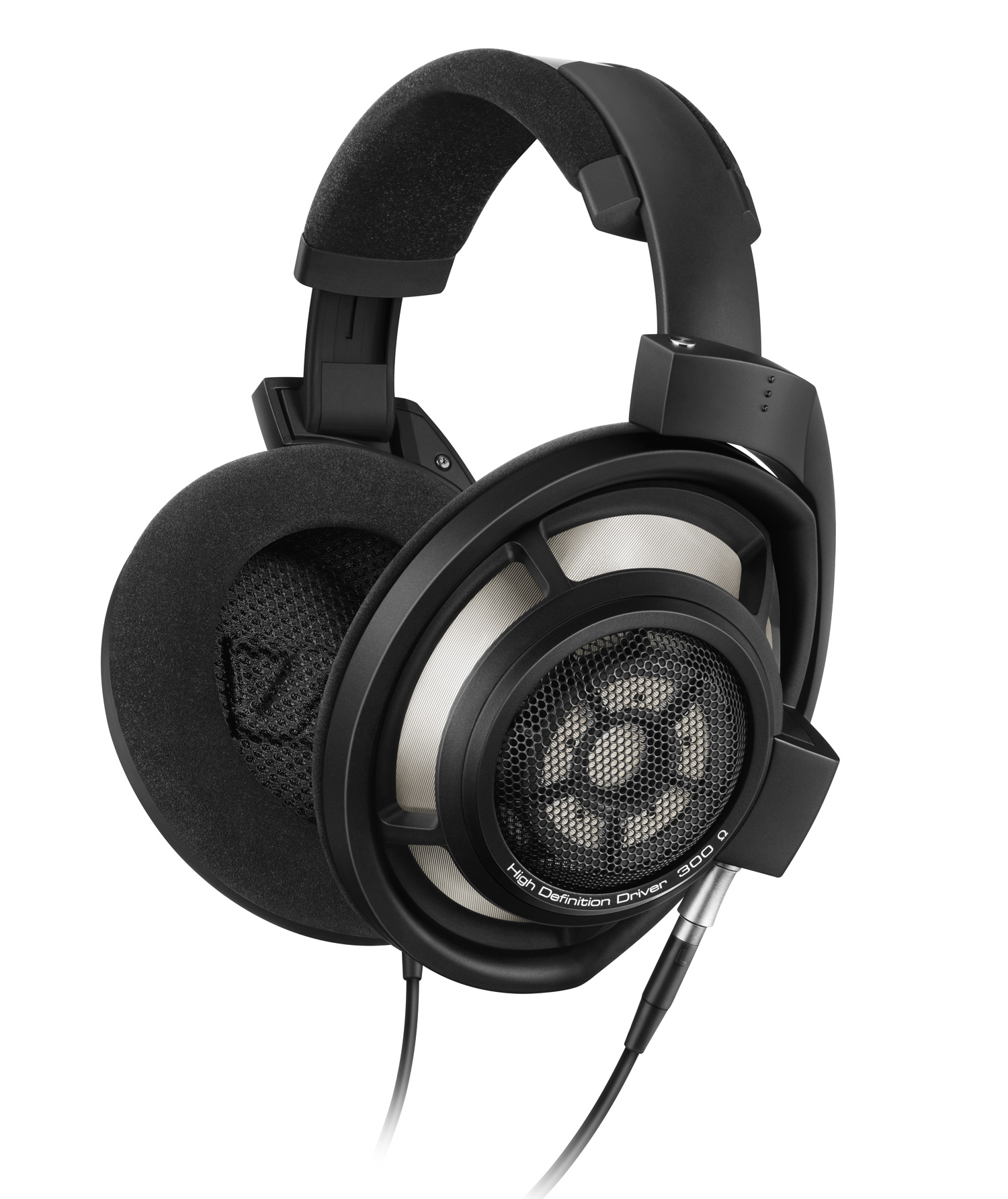
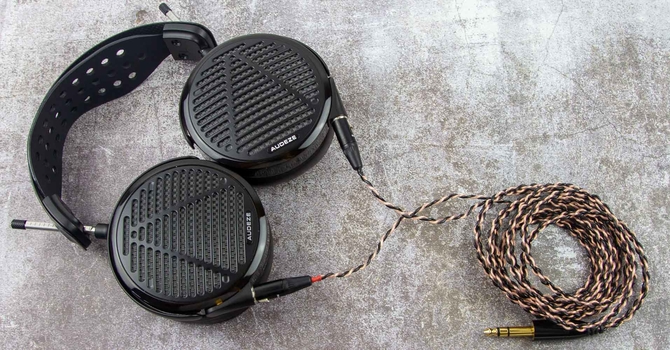
The tiers split on driver technology and tuning. The best overall pick is the most universally acclaimed dynamic-driver flagship, with a distinctive driver design for realistic, dynamic sound, fully open-back construction with no correction, and handcrafted materials. The best value pick is the long-standing reference open-back, with a speaker-like soundstage, both single-ended and balanced cables in the box, and a decade of proven reliability, but with lean, analytical tuning that can sound bright and bass-light on thin recordings. The premium pick is the planar magnetic counterpoint, with reference-grade transient speed, lightweight construction for its class, and a neutral-to-lean tuning that many owners shape with equalization. You are not choosing between good and bad sound; you are choosing between dynamic realism, reference soundstage, and planar resolution.
Who should pick which tier depends on taste, system, and room. If you want the most universally praised dynamic flagship and you own a capable desktop amplifier, the overall pick is the default audition. If you want the safest high-end buy with the widest soundstage and a long track record, the value pick is the smart choice. If you prize planar speed and resolution and you are comfortable using equalization to shape the sound, the premium pick rewards you. If you listen in noisy rooms, commute, or lack a good amplifier, none of these will show their best, and you should fix the room and source first.
The common mistakes are expensive at this level. The first is pairing flagship headphones with a phone dongle and expecting flagship sound, when they demand a high-quality desktop amplifier to show their potential. The second is buying open-back designs for noisy environments, where leakage and intrusion ruin the experience. The third is judging comfort from weight alone, when clamping force and headband design matter as much. The fourth is buying from an unauthorized seller and losing warranty coverage, which matters enormously at these prices. Audition where you can, and buy authorized.
Buying guide expanded October 2026
What the reviews reveal
Buyers at this level consistently make the same expensive mistake: they audition sound and ignore the ownership rituals. The Focal's cables, the Sennheiser's pad swaps, the Audeze's yoke alignment and EQ setup — these are not footnotes, they are what living with the headphone actually feels like, and they decide whether a flagship becomes a daily habit or a display piece. The tradeoff that matters most in daily use is not driver technology but tuning philosophy: the Sennheiser and Audeze both present music with a cool, analytical honesty that flatters great recordings and punishes thin ones, while the Focal leans into dynamics and physicality. If your library is mostly modern streaming masters, the analytical pair will show you every compromise in them; if it is well-recorded acoustic music, they will show you things no cheaper headphone can. The recurring surprise is how little the headline specs predict comfort. Weight alone tells you almost nothing — clamp force, pad depth, and how a headband distributes pressure matter more, and they vary by head shape in ways no review can settle for you. At these prices, a home audition with your own amplifier and your own music is not a luxury, it is the only review that counts.
Frequently asked questions
Is the premium pick worth it over the best overall pick?
It is worth it if you prize planar magnetic resolution and are comfortable shaping sound with equalization. The premium pick offers reference-grade transient speed in a relatively light build for its class. But its stock tuning is neutral-to-lean, so many owners use equalization profiles to reach the intended sound. If you want the most universally acclaimed dynamic sound without extra tuning, the overall pick is the safer buy.
What is the tradeoff with the best value pick?
Lean, analytical tuning that can sound bright and bass-light on thin recordings. That is the price of its reference clarity and speaker-like soundstage. In return you get the safest high-end buy in the tier, with both cable types in the box and a decade of proven reliability. If you listen mostly to well-recorded music, that tradeoff favors the value pick.
Do I need a separate amplifier for these?
Yes, for any of these three. Flagship headphones are designed to scale with source quality, and a phone dongle will not show their full potential. A decent desktop amplifier and digital converter are part of the purchase, not optional extras. If you are not willing to invest in the chain, you will hear only a fraction of what these headphones can do, and a lower tier would serve you better.