How to choose
Noise cancelling headphones live or die on comfort as much as on silence, because you will wear them for hours at a time. The best cancelling in the world is useless if the clamp hurts after an hour or the earcups trap heat. Sound quality, call quality, and controls matter too, but the first test is always fit: earcup depth, headband pressure, and weight distribution decide whether a pair disappears or nags. Battery life, multipoint connection, and how the headphones fold for travel are the practical features that separate daily companions from drawer ornaments. Transparency mode matters more than people expect, since you will switch it on constantly for announcements, conversations, and street crossings.
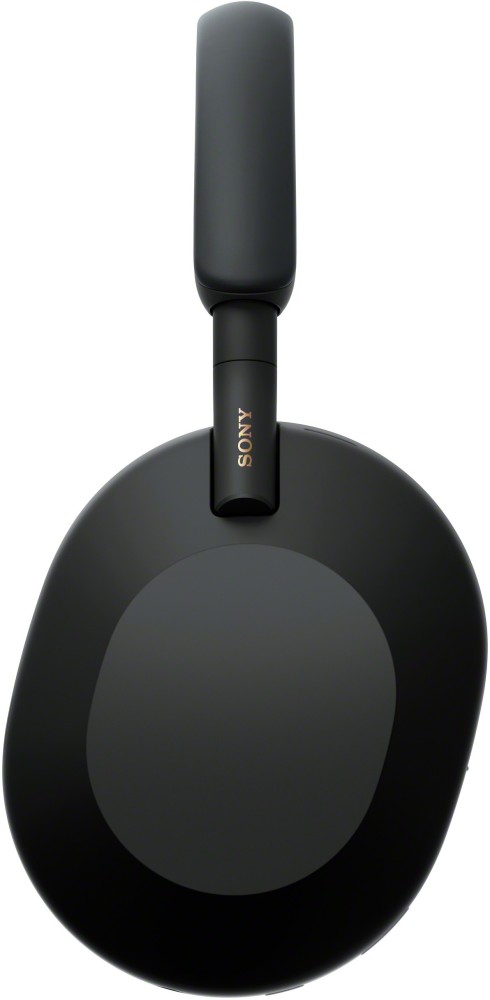
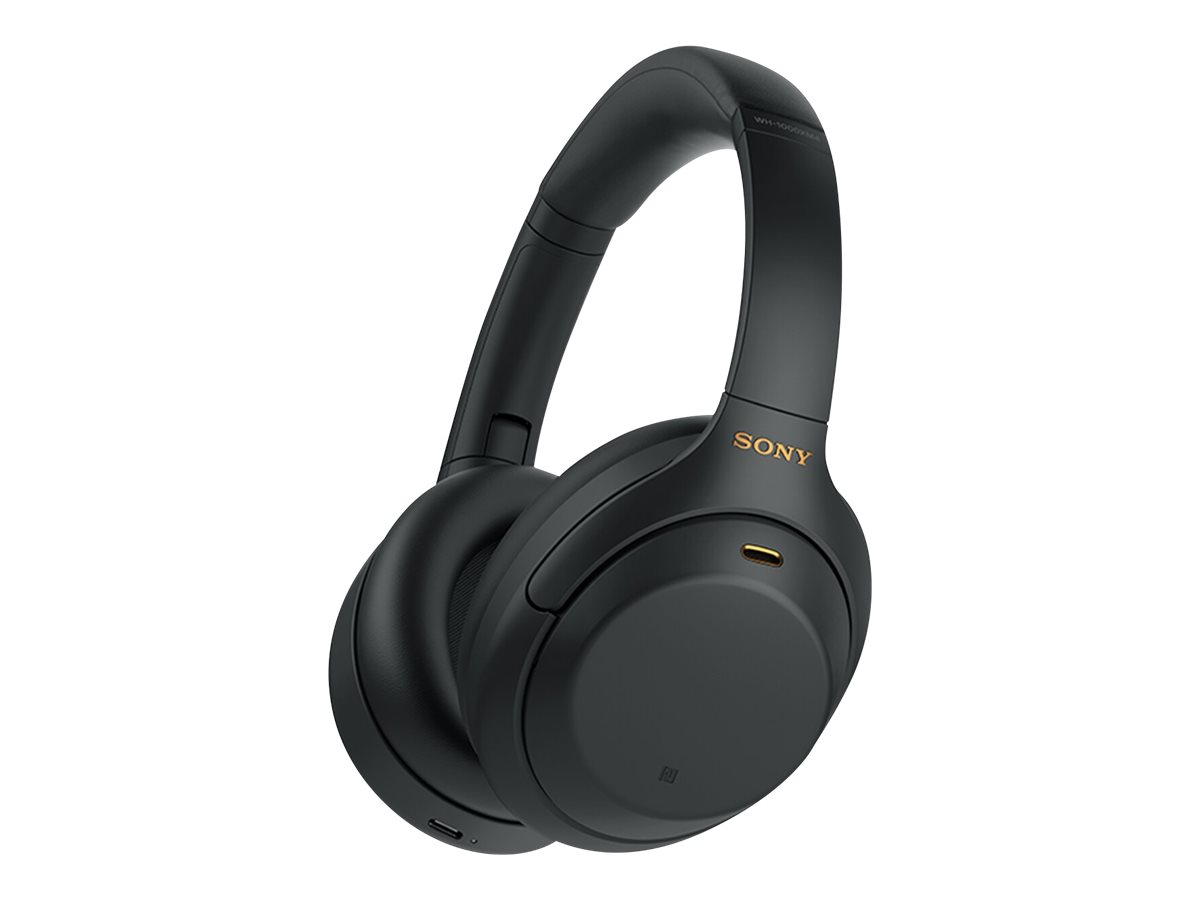
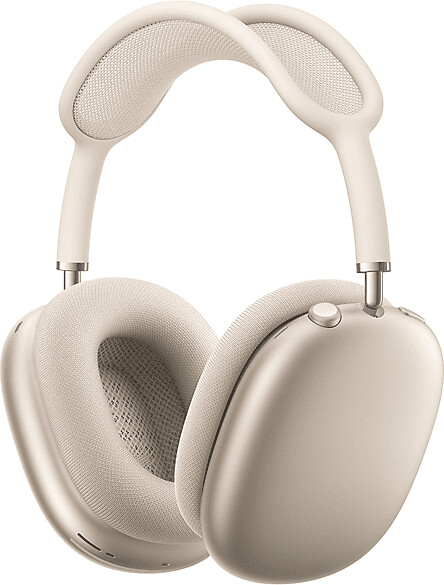
The tiers here are closer than the labels suggest, which is good news for buyers. The best overall pick sets the benchmark for cancelling, comfort, and call quality, with a long battery life and quick charging for travel days. The best value pick is the previous flagship from the same maker, with nearly the same cancelling pedigree, a folding design that travels better, and multipoint for phone and laptop at once. The premium pick is a different proposition entirely: luxury materials, superb transparency, and deep integration with one phone ecosystem, but heavier on the head and without a conventional power button. You are not choosing between good and bad sound; you are choosing between the best all-rounder, the smart saving, and the luxury build.
Who should pick which tier is mostly about ecosystem and travel. If you want the quietest, most comfortable all-rounder and you do not mind a bulkier case, the overall pick is the default. If you want nearly the same experience for less and you travel often, the value pick's folding design and lower cost make it the smarter buy for most people. If you live inside one phone ecosystem, prize build quality and transparency above all, and do not mind extra weight, the premium pick rewards you every time you put it on. If you wear headphones for very long sessions or have a smaller head, try before you buy, because weight and clamp force will matter more than any spec.
The common mistakes are worth avoiding. The first is buying purely on cancelling claims without trying the fit, since comfort decides whether you actually keep them on. The second is assuming cancelling erases all sound; it excels at constant drone like engines and offices, but sudden sharp sounds still get through. The third is overlooking multipoint, which sounds minor until you are constantly disconnecting and reconnecting between phone and laptop. The fourth is ignoring the case and fold for travel, since a pair that does not pack well often stays home.
Buying guide expanded October 2026
What the reviews reveal
Buyers in this category consistently get one thing wrong: they shop the noise-cancelling ranking and ignore the parts that break. Across both Sony models, the hinge is the story owners keep telling — creaks, cracks, and breaks after months of ordinary use — while the AirPods Max's slow failure mode is a stretching headband band you cannot replace. None of this shows up in a spec sheet or a first-week review, and it matters more than the small cancelling gap between the top two, because a pair that breaks or stops fitting is a pair you stop wearing. The tradeoff that actually matters most in daily use is not cancelling strength but control behavior: speak-to-chat that fires on a cough, auto-pause that interrupts calls, touchpads that misread a gesture. These are the features owners turn off within a week, and the pair that annoys you least wins the commute. The recurring surprise is how much the case and the off-head experience shape satisfaction. A pair that will not fold flat, a case that protects nothing but the cups, earcups that rest the wrong way up — these sound trivial until you pack a bag every day. Try the fit with your glasses on, check how the pair packs, and disable the clever features before you judge the sound.
Frequently asked questions
Is the premium pick worth it over the best overall pick?
Only if you prize build, transparency, and ecosystem integration above all else. The premium pick feels a class above in materials and offers superb transparency and immersive spatial audio for movies. But it is heavier on long sessions, lacks a power button, and does not beat the overall pick on cancelling or call quality. Buy it for the luxury experience, not for better silence.
What is the tradeoff with the best value pick?
Cancelling and call microphones are a half-step behind the newer flagship, though most listeners will not notice in everyday use. In return you get a folding design with a slimmer case, multipoint connection, and a much lower cost. For most buyers that tradeoff favors the value pick, unless you need the absolute quietest performance for frequent flying.
Will noise cancelling block everything?
No, and it helps to set expectations honestly. Active cancelling excels at steady, low-frequency drone such as airplane engines, train rumble, and office hum. It is far less effective against sudden, sharp sounds like a door slamming or a voice right next to you. For those moments, good passive isolation from well-sealing earcups matters as much as the electronics.