🍞 Category guide
Best 3 Stand Mixers on Amazon
A stand mixer is a buy-it-for-decades appliance. Bowl capacity, motor strength, and build quality decide whether it handles stiff bread dough or walks across your counter.
Last researched September 28, 2026
How to choose
A stand mixer is a buy-it-for-decades appliance, so the decision should be about capacity, build, and how you actually bake, not about color. The core mechanism is planetary mixing, where the beater spirals while orbiting the bowl, so it reaches the edges instead of leaving flour stuck to the sides. Bowl size decides what you can make in one batch: too small and you split double batches, too large and small amounts get lost. Motor strength and gear material decide whether stiff bread dough is handled calmly or makes the machine strain and walk across the counter.
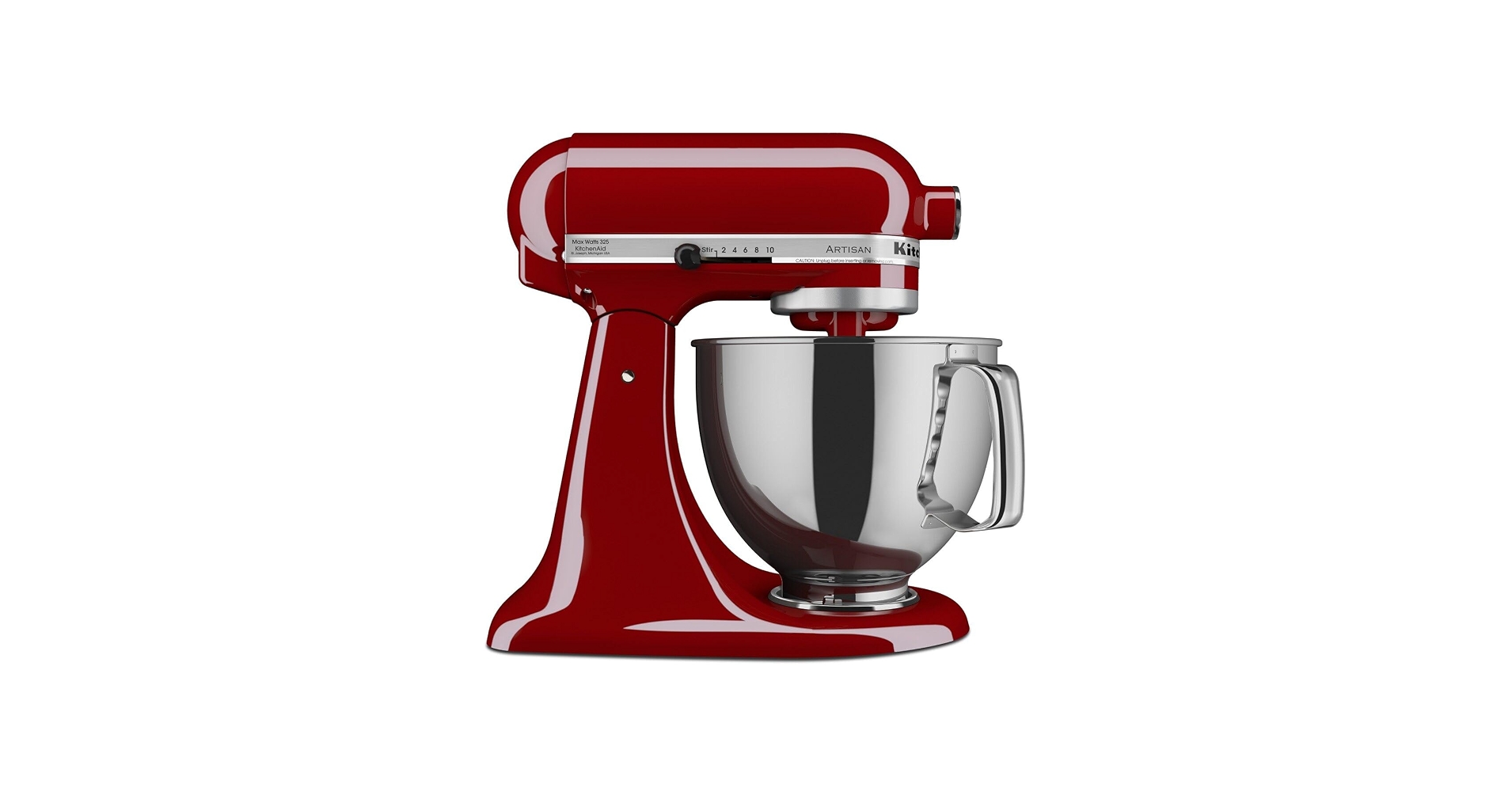
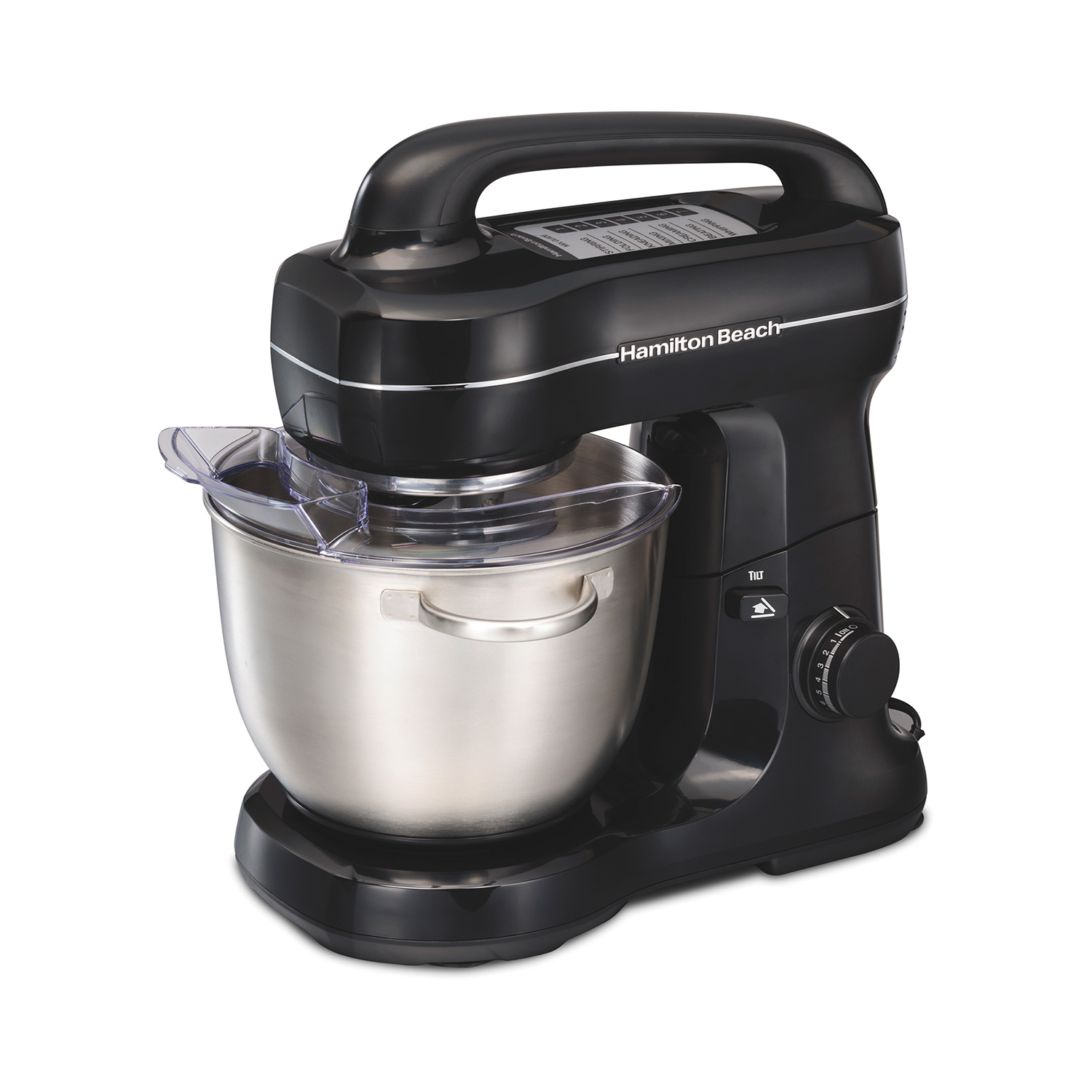
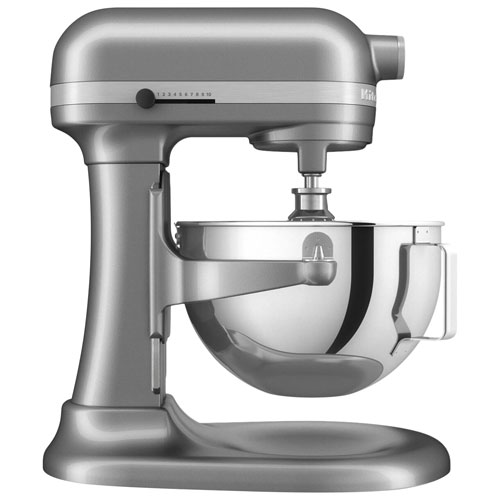
The tiers here split on capacity and construction. The best overall pick is the icon: a mid-size bowl that covers most home baking, all-metal gears built for decades, and the widest attachment ecosystem. The best value pick is a real planetary mixer at a fraction of the cost, with a smaller stainless bowl that handles cookies, cakes, and batters well, but a plastic body and slimmer attachment range that will not outlast a metal machine. The premium pick is the serious baker's machine: a much larger bowl, a bowl-lift design that locks the bowl in place for stiff dough, and power for heavy, frequent use. You are choosing between the classic all-rounder, the affordable starter, and the bakery-scale workhorse.
Who should pick which tier is mostly about baking frequency and batch size. If you bake regularly, want the attachment ecosystem, and want a machine that lasts for decades, the overall pick is the default. If you bake occasionally for cookies and cakes and want real mixing power without the flagship cost, the value pick is a sensible buy. If you bake weekly or more, double batches, or work with stiff bread dough often, the premium pick's capacity and bowl-lift stability justify its size and cost. If you rarely bake or have limited storage, even the value pick may be more machine than you need, since these mixers are heavy to move.
The common mistakes are about fit, not features. The first is buying too small a bowl for your usual batches, then splitting everything in two. The second is buying too large a bowl for small amounts, where a single cake batter barely reaches the beater. The third is ignoring weight and storage: these machines are heavy, and one that lives in a low cabinet will not get used as often as one that lives on the counter. The fourth is overlooking the attachment ecosystem, which is where much of the long-term value sits. Match the mixer to your real baking, not to the biggest bowl you can imagine.
Buying guide expanded October 2026
What the reviews reveal
The mistake stand-mixer buyers keep making is buying bowl size for the biggest bake they can imagine instead of the batter they actually make. A huge bowl suits double batches and stiff bread dough, but small amounts can sit below the beater's reach, and one owner of the big bowl-lift model was surprised to find the paddle itself was no larger than a smaller model's, so dough climbed the paddle instead of mixing cleanly. A mid-size bowl covers most home baking; the buyers who regret it usually double batches weekly and did not admit it.
The tradeoff that matters most in daily use is not motor wattage, which misleads more than it informs, but setup and ergonomics. Every KitchenAid-style mixer has a beater-to-bowl clearance that can drift after shipping or heavy use, and the fix is a coin test: drop a dime in the bowl and check whether the beater nudges it each pass, adjusting a small screw until it does. Owners who skip this step blame the mixer for unmixed butter, when a quarter-turn was the fix. The other split is tilt-head versus bowl-lift: the tilt head makes adding ingredients and scraping easy, while the bowl-lift locks the bowl solid for dough but asks you to learn its lift-and-align motion.
The surprise is how much weight decides usage. A mixer around thirty-five pounds effectively lives on the counter or it lives unused, because nobody enjoys hauling it from a low cabinet for weeknight cookies, while a light budget mixer is easy to grab but can walk, wobble, and strain on stiff dough. Speed discipline is the other quiet lesson: starting on high with flour dusts the kitchen, and low-speed kneading keeps gears alive, especially on plastic-geared budget models where a stripped gear can end the mixer outright.
Frequently asked questions
Is the premium pick worth it over the best overall pick?
Only if you bake often or in large batches. The premium pick offers a much larger bowl and bowl-lift stability that prevents walking with stiff dough, which matters for weekly bakers and bread makers. For most home bakers, the overall pick's mid-size bowl and attachment ecosystem already cover everything. Pay the premium for capacity and stability, not for better cookies.
What is the tradeoff with the best value pick?
The plastic body will not outlast an all-metal machine, and the attachment selection is slim. That matters if you plan to expand into pasta, grinding, or milling, or if you expect decades of use. In return you get true planetary mixing and a bowl that handles everyday cookies, cakes, and batters at a fraction of the cost. For casual bakers, that tradeoff is reasonable.
What bowl size do I actually need?
Match it to your usual batch, not your occasional biggest bake. A mid-size bowl covers most home baking, from single cakes to standard cookie batches, with room to spare. Go larger only if you regularly double batches or make big bread doughs. Too large a bowl is its own problem, since small amounts can sit below the beater's effective reach.