🤖 Category guide
Best 3 Robot Vacuums on Amazon
The robot vacuum market has settled: the winners pair strong suction with a self-emptying dock and LiDAR navigation. Mopping is the new battleground. These three are the ones worth your money right now.
Last researched September 28, 2026
How to choose
A robot vacuum is only useful if it actually runs without you babysitting it, and that depends on three things working together. Navigation comes first, because a robot that bumps around randomly will miss spots and get stuck, while one that maps your home cleans in neat rows and can be told where not to go. The dock comes second, because a self-emptying dock turns emptying the dustbin from a daily chore into an occasional bag change. Mopping comes third, and it varies more than marketing suggests, from a pad that simply drags across the floor to a system that scrubs and then washes and dries its own mop.
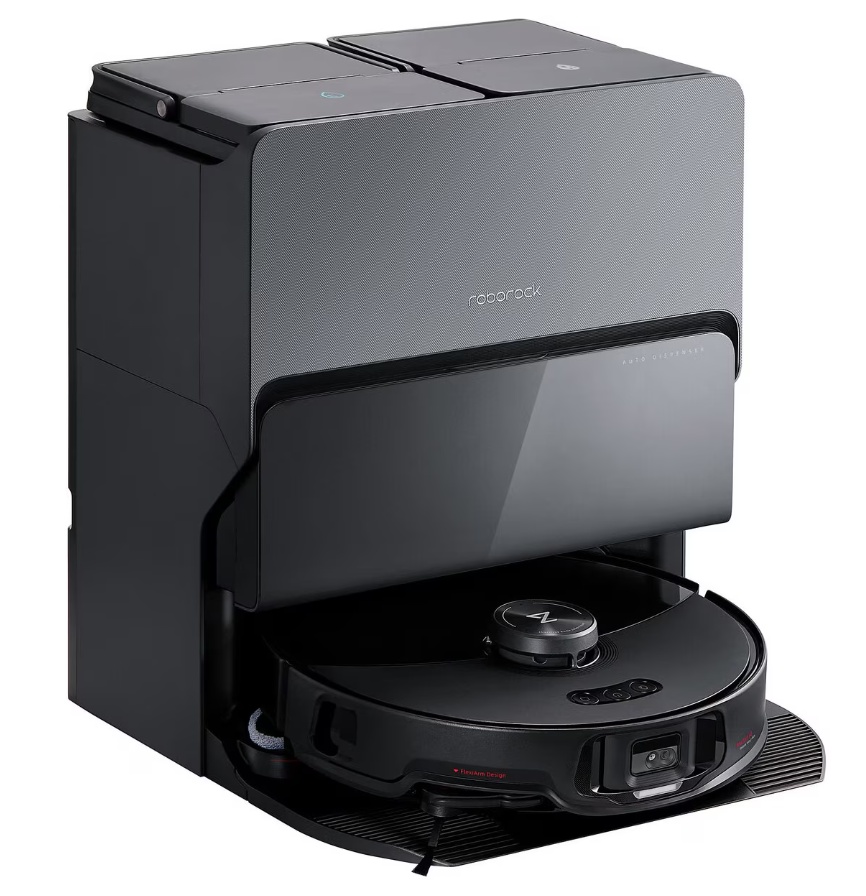
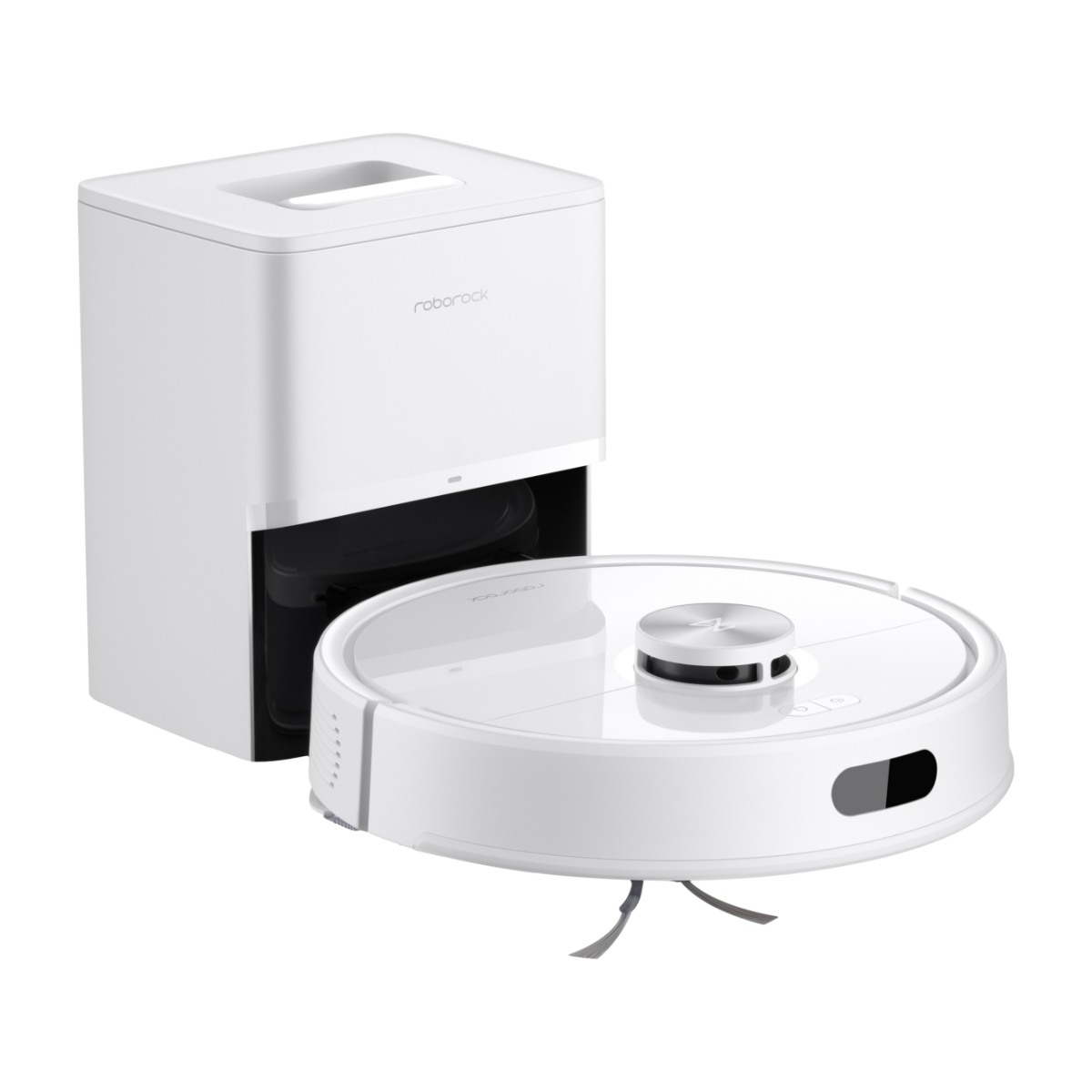
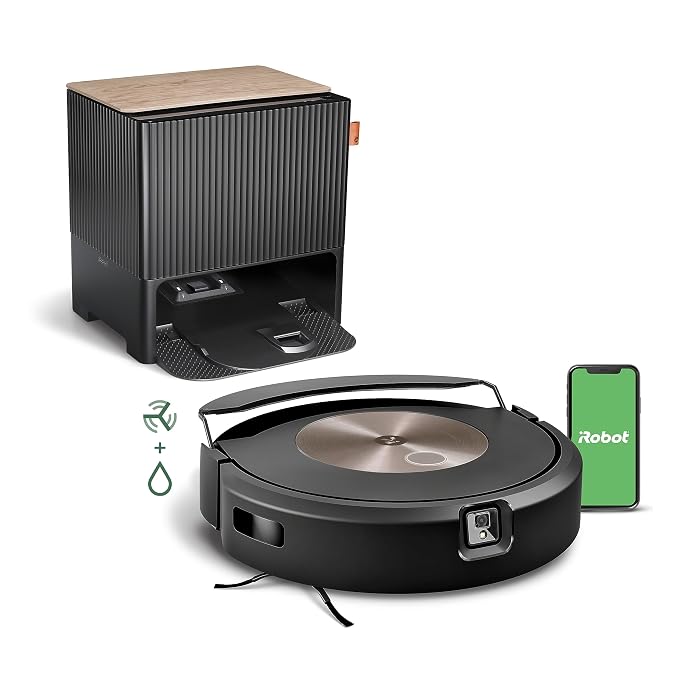
The tiers here split on how hands-off you want cleaning to be. The best overall pick is the flagship approach: strong mopping that scrubs rather than drags, obstacle avoidance that steers around cables and pet messes, and a dock that empties, washes, and dries. The best value pick keeps the self-emptying dock and solid navigation but steps down obstacle avoidance and mopping, so it cleans well on everyday dirt without the flagship's finesse. The premium pick is the ecosystem choice, with a retractable mop that lifts fully clear of carpet and app features for room schedules and keep-out zones, but with less raw carpet performance than the flagship.
Who should pick which tier depends on your floors and your tolerance for prep. If you have mixed floors, pets, or cables and clutter that a robot must navigate, the overall pick's avoidance and scrubbing mop justify the flagship position. If you mostly need reliable vacuuming with self-emptying convenience and you can clear cables before a run, the value pick covers the job for less. If you are already invested in that maker's app and ecosystem, or you prize a mop that never dampens rugs, the premium pick makes sense despite trailing on deep carpet. If your home is mostly thick carpet and you rarely mop, do not pay a premium for mopping features you will not use.
The common mistakes are easy to avoid once you name them. The first is buying on suction claims alone, when navigation and the dock determine whether the robot actually finishes the job. The second is ignoring dock size and placement, since a large all-in-one dock needs real floor space near power and cannot be squeezed into a tight corner. The third is assuming mopping replaces real mopping for stuck-on grime; even good robot mops maintain clean floors rather than rescuing neglected ones. The fourth is leaving cables, small rugs, and pet toys out on the first run and then blaming the robot when it gets tangled.
Buying guide expanded October 2026
What the reviews reveal
The mistake owners keep making with robot vacuums is buying the dock they imagine rather than the dock they will live with. A self-washing dock sounds like the end of maintenance, but it adds a dirty-water tank to empty, a wash tray to wipe, bags to replace and a large box that needs floor space near power. A self-emptying-only dock sounds like a compromise, but for many homes it is the calmer deal: fewer wet parts, no sour tank, and the one chore left — washing a mop pad by hand — is at least visible and quick. Judge a dock by its weekly routine, not its launch-day feature list.
The tradeoff that matters most in daily use is not suction on a spec sheet but whether the robot finishes a run unsupervised. That comes down to obstacle handling and floor transitions together: a robot that eats a charging cable, drags a wet pad over a rug, or stalls on a tasseled rug has not saved you time, whatever its cleaning scores. Homes with pets, cables and mixed floors should weight avoidance and mop lifting above raw power, while tidy hard-floor homes can safely spend less and accept a pre-run tidy.
The recurring surprise is how much of the work stays human. Even flagship owners report clearing floors before runs, checking brushes for wrapped hair, rinsing tanks and washing pads, and living with mapping quirks such as rectangular-only carpet zones or rooms the robot merges together. The win is real — floors stay cleaner with far less effort — but it is a supervised partnership, not a servant. Buy for the home you actually have, clutter and all, and the robot will feel like a bargain; buy for a showroom floor and every cable becomes a complaint.
Frequently asked questions
Is the premium pick worth it over the best overall pick?
It depends on what you value most. The premium pick offers a retractable mop that lifts fully clear of carpet and a mature app with room schedules and keep-out zones, which suits loyal users of that ecosystem. But its raw suction trails the flagship on deep carpet, so if carpet performance is your priority, the overall pick is the stronger buy. Pay the premium for the ecosystem and mop design, not for stronger cleaning.
What is the tradeoff with the best value pick?
Obstacle avoidance is a step behind the flagship line, and mopping is basic rather than scrubbing. That means you should clear cables and small obstacles before runs, and you should not expect it to scrub stuck-on floor grime. In return you still get a self-emptying dock and solid navigation, which covers everyday vacuuming well for less money.
Do I really need a self-emptying dock?
For most buyers, yes, because it is the feature that determines whether the robot actually gets used. Without it, you empty a small dustbin after nearly every run, which quickly becomes a chore you skip. With it, emptying becomes an occasional bag change, so the robot can run on schedule without your attention. If you run the robot rarely or enjoy the hands-on routine, you can skip it, but most people should not.