Affiliate disclosure: Best3 is reader-supported. When you buy through links on this page, we may earn an affiliate commission from Amazon at no extra cost to you. Learn more.
⌚  Category guide

Best 3 Smartwatches on Amazon

The smartwatch market is simple: if you have an iPhone, the Apple Watch wins on every axis that matters. All three of our picks are Apple — Android users should look at the Samsung Galaxy Watch or Pixel Watch lines instead.

Last researched September 28, 2026

How to choose

A smartwatch is only as good as its fit with your phone, and for iPhone owners that decision is already made: these picks all require an iPhone, and Android users should look elsewhere. Beyond that, the real choice is about health tracking, battery habits, and case size. Health sensors, fitness tracking, and safety features are the core value, while notifications, payments, and apps are the convenience layer. Battery behavior shapes daily life more than any single sensor, since a watch you must charge every night behaves very differently from one that lasts for days. Case size affects both comfort and readability, and cellular versus GPS-only affects whether you can leave your phone behind on runs.

The tiers split on sensors, display, and ruggedness. The best overall pick is the current mainstream flagship: the latest health sensors and software features, seamless phone integration, and the best all-round fitness and health tracking with a huge app library. The best value pick keeps the core experience intact, including fitness tracking, heart-rate monitoring, and safety features, with the same software and app ecosystem, plus an always-on display — but with fewer advanced health sensors (no on-demand ECG, blood oxygen, or hypertension alerts). The premium pick is the outdoor and endurance option: a titanium case, the largest and brightest display, multi-day battery life, and depth, diving, and precision GPS for serious adventurers. You are choosing between the best default, the smart saving, and the rugged outlier.

Who should pick which tier depends on how you use a watch. If you want the best mainstream smartwatch for everyday health, fitness, and notifications, the overall pick is the default. If you are buying a first smartwatch, buying for a younger user, or want the core experience for less, the value pick is the smart buy. If you train outdoors, dive, hike, or hate nightly charging, the premium pick's battery and ruggedness justify its size and cost. If you have smaller wrists, try the larger case before committing, since the jump in size is significant. If you use Android, none of these three is for you, no matter how good they look.

The common mistakes are about ecosystem and size. The first is buying without checking phone compatibility, since these watches do not work with Android. The second is paying for cellular without a plan to use it, since it adds a monthly cost for phone-free runs and calls that many owners never need. The third is choosing case size from photos alone, when the difference on the wrist is much larger than it looks on screen. The fourth is expecting multi-day battery from a mainstream watch that is designed to charge nightly; if that habit bothers you, the premium pick exists for a reason.

Buying guide expanded October 2026

What the reviews reveal

The mistake smartwatch buyers keep making is shopping the headline feature instead of the daily habit. The Series 11's hypertension alerts and Sleep Score sound like reasons to buy the newest watch, yet both reach older models through software, and the hypertension alert is a nudge to see a doctor, not a reading you can track. Likewise, buyers assume the Ultra's multi-day rating means Garmin-style freedom, when in practice it means two days rather than one — liberating for sleep tracking, but not expedition-proof. And the SE is still judged by an outdated reputation: it gained the always-on display that used to be its dealbreaker, so the current question is whether you miss ECG-style sensors, not whether you can glance at the time. The tradeoff that actually matters most is charging versus sleep. A watch that must charge overnight cannot track sleep, and no sensor compensates for data you never collect; that single habit explains why the Ultra's battery and the SE's fast charging matter more in real life than any new metric. The recurring surprise is who ends up loving the Ultra: not just divers and trail runners, but ordinary owners who buy it for brightness and battery and never touch its extreme features, while accepting a case that dominates smaller wrists and a band ecosystem where the most comfortable running strap costs extra. Buy for the wrist you have and the charging routine you will actually keep.

1Best OverallBest Display
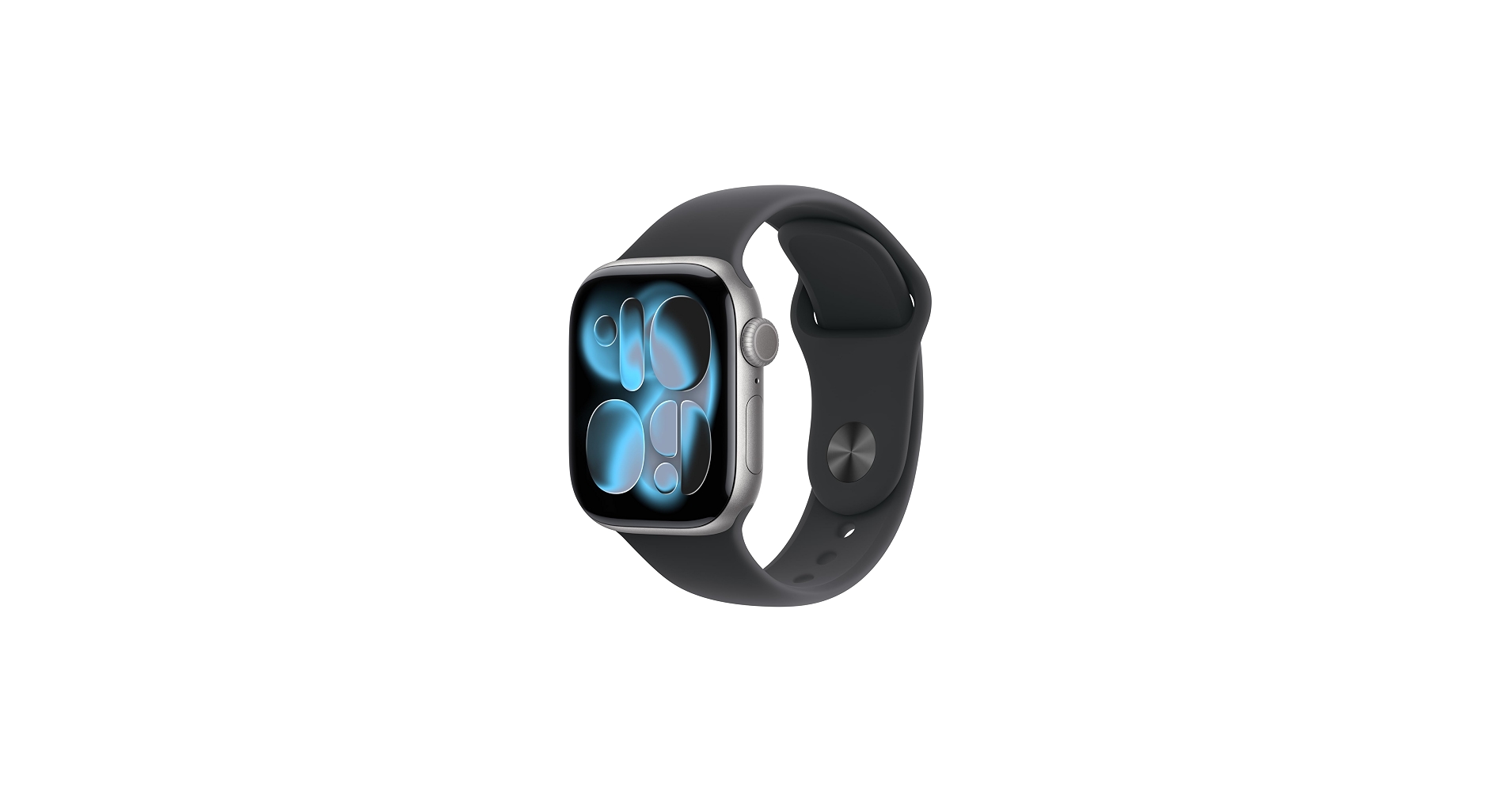
Apple Watch Series 11 GPS 42mm

Apple Watch Series 11 GPS 42mm

“The best smartwatch for iPhone owners, full stop.”

  • The latest Apple Watch with current health sensors and watchOS features
  • Seamless iPhone integration — calls, messages, Apple Pay, apps
  • Best-in-class fitness and health tracking with a huge app library
The tradeoff: iPhone required, and the ~18-hour battery means charging every night.

Who it's for: For iPhone owners who want the best mainstream smartwatch for health, fitness, and notifications. Skip it if nightly charging bothers you or you use Android.

What reviewers and owners say:
  • Reviewers split on the battery story: one Tom's Guide test burned through only about a third of the charge in 24 hours of normal use with the always-on display on, stretching toward three days, while another review found everyday use still felt like a daily-charge device — so treat the longer rating as a best case, not a promise.
  • The headline hypertension feature never gives a blood pressure reading: it watches for patterns over a rolling 30-day window and only flags you to get checked, and reviewers note both it and Sleep Score also arrive on older models via watchOS 26, so neither alone justifies upgrading from a recent watch.
  • Almost nothing about the watch itself changed from its predecessor — same display size and brightness, same bands — with tougher glass the main hardware difference, and one review roundup notes the new Workout Buddy encouragement still needs more of your data before it becomes genuinely useful.
Check price on Amazon

Researched Sep 2026 · Price & availability on Amazon

2Best ValueLowest Price
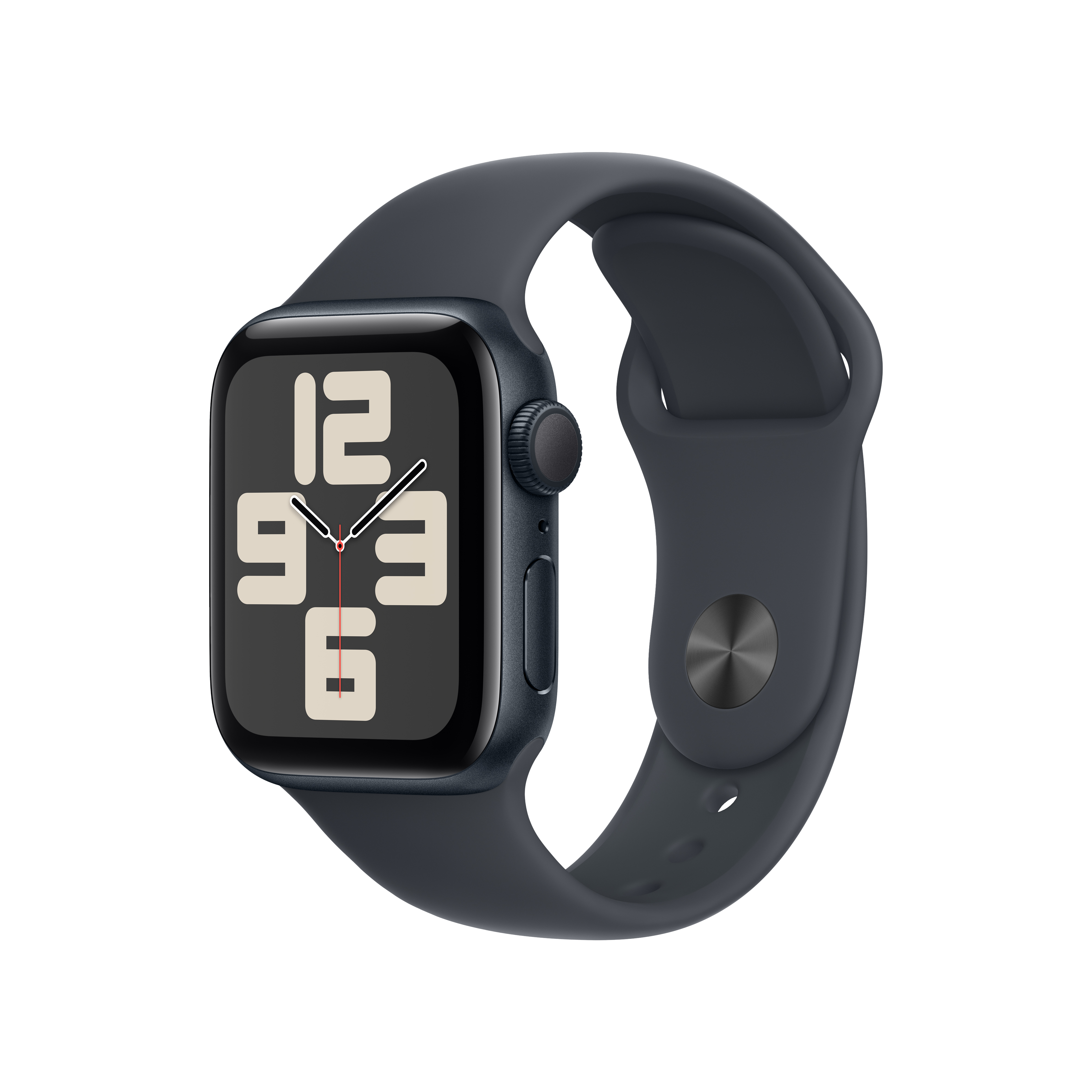
Apple Watch SE 3 GPS 40mm (Midnight)

Apple Watch SE 3 GPS 40mm (Midnight)

“The full Apple Watch experience for much less.”

  • Core fitness tracking, heart-rate monitoring, and safety features intact
  • Same watchOS and app ecosystem as the flagships
  • The smart buy for first-time smartwatch owners and kids
The tradeoff: No always-on display and fewer advanced health sensors than the Series 11.

Who it's for: For first-time owners and buyers who want the core Apple Watch experience for less. Skip it if you need an always-on display or the newest advanced health sensors.

What reviewers and owners say:
  • This model finally adds the always-on display that kept buyers away from earlier SE watches, which corrects the older knock against it — but reviewers note there is still no always-visible second hand, the bezels stay thick, and the screen is noticeably dimmer in bright direct sunlight than the flagship's.
  • The missing sensors are narrower than the spec sheet suggests: there is no on-demand ECG, blood oxygen, or hypertension alert, yet one expert review notes it still passively watches for irregular heart rhythm, and argues most owners will miss the always-on display far more than an ECG they rarely take.
  • Fast charging changes the nightly routine more than the battery rating does: reviewers point out a short charge while showering tops the watch up enough for the night, and one reviewer mistook the SE 3 for the flagship for hours — it was the slightly thicker, heavier feel, not the screen, that eventually gave it away.
Check price on Amazon

Researched Sep 2026 · Price & availability on Amazon

3Premium PickRugged Build
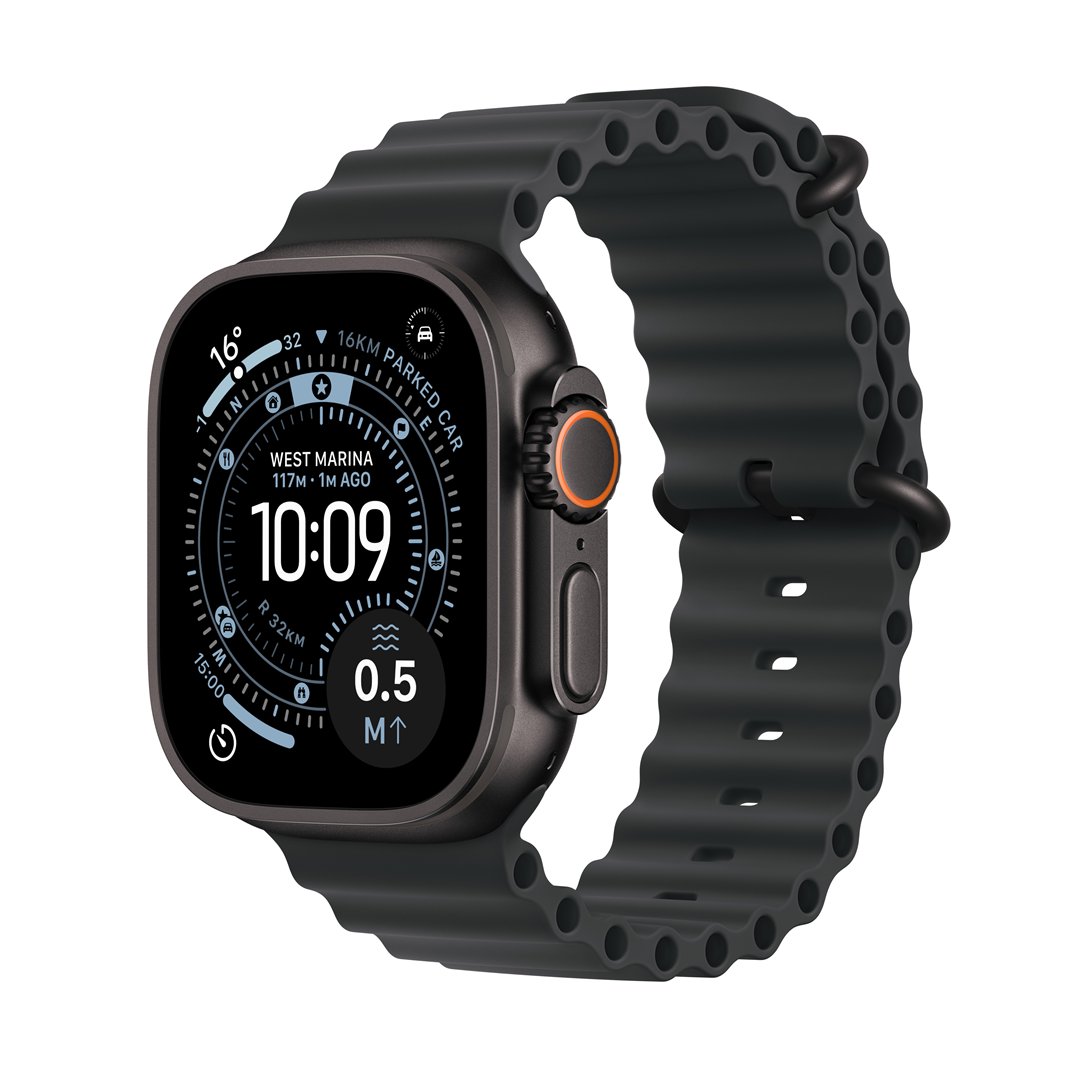
Apple Watch Ultra 3 GPS + Cellular 49mm

Apple Watch Ultra 3 GPS + Cellular 49mm

“Titanium toughness, multi-day battery, built for the outdoors.”

  • Multi-day battery life — the first Apple Watch you don't charge nightly
  • Titanium case with the largest, brightest display Apple makes
  • Depth, diving, and precision dual-frequency GPS for serious adventurers
The tradeoff: Big on smaller wrists, and the premium price only makes sense if you'll use the rugged features.

Who it's for: For outdoor athletes and endurance users who need multi-day battery and rugged build. Skip it if you have smaller wrists or will not use the rugged features.

What reviewers and owners say:
  • The case for this watch among non-athletes has little to do with diving or satellite rescue: one 30-day account from a non-athlete found the two differences felt every day were the brighter screen, readable without tilting the wrist, and not having to charge nightly — which also meant sleep data actually got recorded instead of being skipped for charging.
  • Size is the real decision, not specs: reviewers repeatedly advise trying it on before ordering, one noting it feels heavy on medium-to-small wrists and is noticeably present overnight, and another reporting the black case's sharp edges already showing paint wear from everyday knocks.
  • One specialist sports review warns its GPS battery life is inadequate for genuine ultra events and expeditions despite the multi-day normal-use rating, and that it still trails dedicated rivals on battery — so endurance athletes should not read the headline battery figure as expedition-ready.
Check price on Amazon

Researched Sep 2026 · Price & availability on Amazon

What to know before you buy

  1. All three picks require an iPhone — they're not compatible with Android.
  2. Decide on GPS vs. cellular: cellular adds a monthly plan cost for phone-free runs and calls.
  3. Try the case size on your wrist if you can — 42mm vs 49mm is a big visual and comfort jump.

Frequently asked questions

Is the premium pick worth it over the best overall pick?

Only if you will use the rugged features and multi-day battery. The premium pick offers a titanium case, the largest and brightest display, and depth, diving, and precision GPS for serious outdoor use. For everyday health, fitness, and notifications, the overall pick already covers everything. Pay the premium for endurance and outdoors, not for better everyday tracking.

What is the tradeoff with the best value pick?

No always-on display and fewer advanced health sensors than the flagship. That means you raise your wrist to see the time, and some of the newest health measurements are absent. In return you keep core fitness tracking, heart-rate monitoring, safety features, and the same software and app ecosystem for much less. For first-time owners, that tradeoff strongly favors the value pick.

Do I need cellular, or is GPS enough?

GPS is enough for most owners. Cellular adds a monthly plan cost and lets you take calls, messages, and music on runs without your phone, which matters if you regularly train phone-free. If you almost always carry your phone anyway, cellular adds cost without benefit. Decide based on how often you actually leave your phone behind, not on the idea that more connectivity is always better.