☕ Category guide
Best 3 Espresso Machines on Amazon
A good home espresso machine comes down to three things: a capable grinder (or a separate one), stable temperature, and a steam wand that can actually texture milk. These three cover every budget without a single compromise pick.
Last researched September 28, 2026
How to choose
Home espresso looks simple from the outside, but it is really a small system working together. The grinder matters as much as the machine itself, because espresso needs a fine, even grind that pre-ground coffee cannot deliver for long. Temperature stability matters next, since water that swings hot or cool will pull sour or bitter shots even when everything else is right. Steam power matters if you drink milk-based coffees, because thin, bubbly foam is not the same as the silky microfoam that makes a flat white or latte taste right.
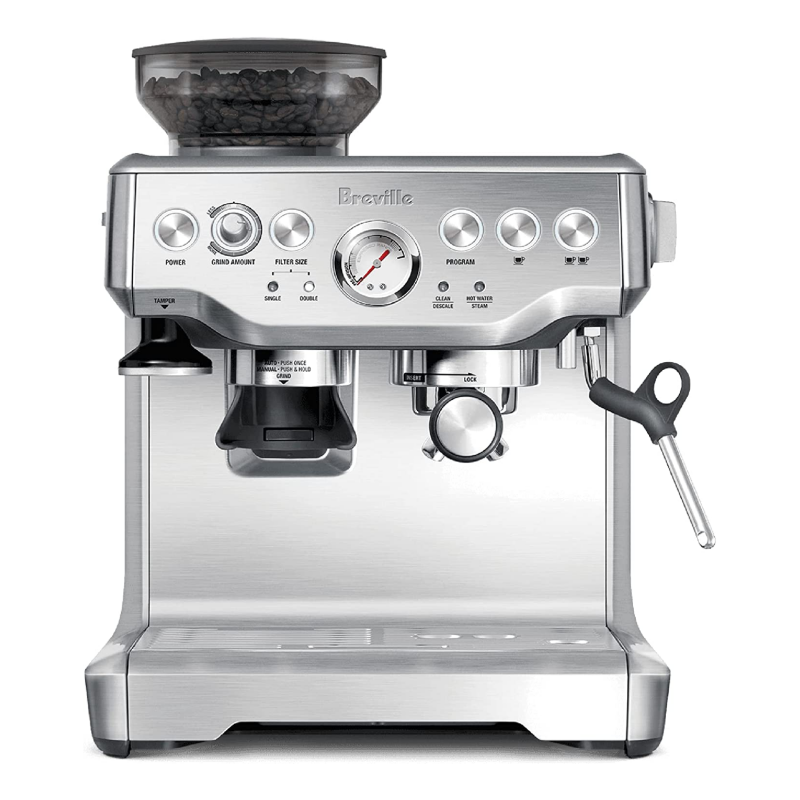
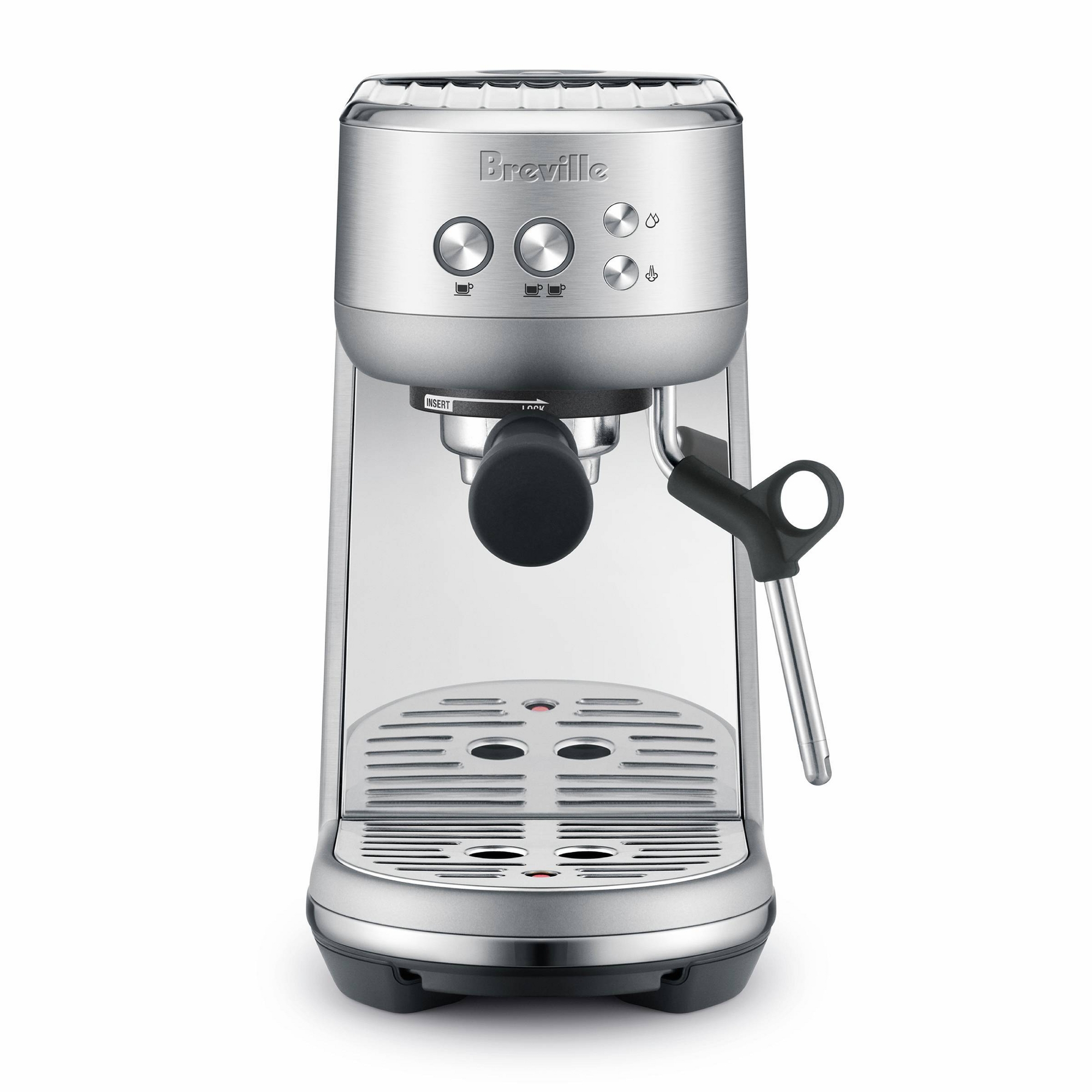
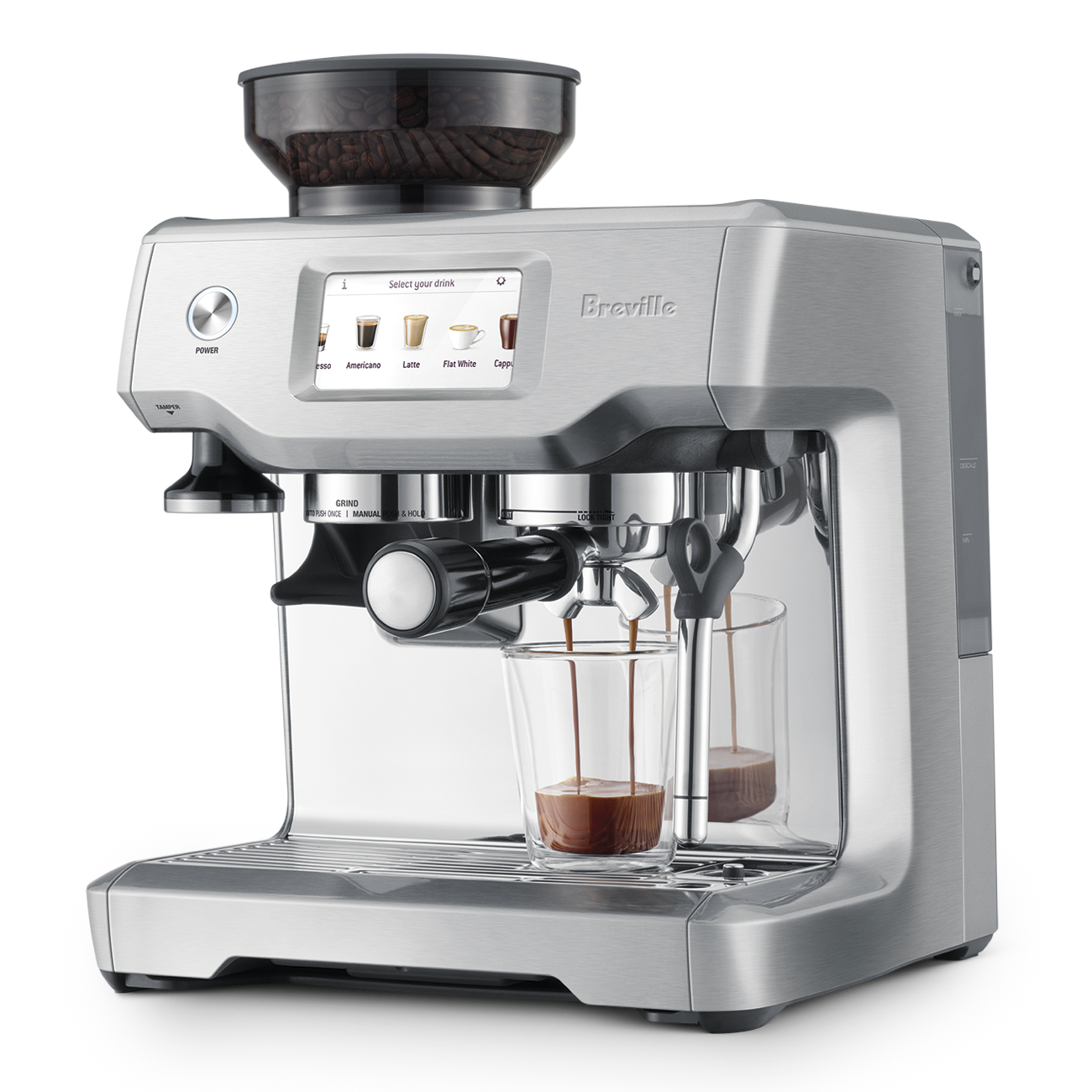
The three tiers here split on how much of that system you want handled for you. The best overall pick bundles the grinder into the machine, so you buy one footprint and start pulling shots without matching separate parts. The best value pick is a compact, fast-heating machine that leaves the grinder to you, which keeps the upfront cost down but means you need to budget for a capable burr grinder to get the most from it. The premium pick keeps the same brewing platform but adds guided recipes and automatic milk texturing, so it removes guesswork rather than improving the coffee itself. In plain terms, you are choosing between convenience, compactness, and control, not between good and bad espresso.
Who should pick which tier comes down to how you actually drink coffee. If you want one machine that does almost everything and you are happy to learn the basics of dosing and tamping, the all-in-one overall pick is the sensible default. If you are short on counter space, want the lowest entry cost, and do not mind buying a grinder separately, the value pick is the smarter buy, especially as a first machine. If you mostly want consistent milk drinks with minimal fuss and you are willing to pay for guidance and automation, the premium pick earns its place. If you only drink straight espresso and never steam milk, do not pay extra for automatic milk features you will rarely use.
The common mistakes are predictable, and they are worth naming plainly. The first is buying a good machine and feeding it stale, pre-ground coffee, which caps quality no matter how capable the hardware is. The second is expecting cafe-quality shots on day one; espresso has a learning curve, and the first stretch of shots is practice, not failure. The third is ignoring maintenance, especially in hard-water areas, where scale builds up quietly and shortens a machine's life. The fourth is buying for looks or for a touchscreen alone, when the grinder, temperature control, and steam wand are what actually determine what ends up in the cup.
Buying guide expanded October 2026
What the reviews reveal
The mistake owners keep making with home espresso is misjudging the morning workflow the machine imposes. A single-boiler machine makes one great milk drink at a time, then asks you to wait while it shifts temperature to steam; that is fine for one flat white before work and a real bottleneck for a household making four lattes back to back. Count the drinks, not just the features. The other workflow surprise is cleaning: purging the steam wand right after steaming and emptying a drip tray that fills faster than expected.
The tradeoff that matters most in daily use is rarely the headline spec; it is the upgrade path. An all-in-one machine locks the grinder and brewer together, so the day your taste outgrows the grinder's stepped adjustment, you are replacing the whole appliance rather than one component. A machine without a grinder looks like the cheaper buy until you price a capable burr grinder into it, and then it is the more flexible one, because each half can be upgraded on its own. The baskets in the box can also quietly cap quality: pressurized baskets flatter inconsistent grinds, but they limit what a good grinder can do, so owners with a proper grinder often swap to a non-pressurized basket early and wish they had known sooner.
The recurring surprise, good and bad, is how physical these machines are. The compact models are so light that owners report bracing the body with one hand while locking in the portafilter, and the steam knob on the all-in-one can be stiff enough to bother anyone with weaker grip. None of that shows on a spec sheet, but it decides whether the machine feels like a pleasure at 6 a.m.
Frequently asked questions
Is the premium pick worth it over the best overall pick?
Only if you value guidance and automatic milk texturing. The premium pick uses the same brewing platform and grinder approach as the overall pick, so it does not produce better-tasting shots on its own. It earns its higher cost by walking you through recipes and texturing milk to a set temperature and foam level without manual technique. If you enjoy learning to steam by hand, save the difference.
What is the tradeoff with the best value pick?
It has no built-in grinder, so you need a separate burr grinder to get the most from it. That adds cost and counter space, and it means two pieces of kit to learn instead of one. In return you get a very compact machine that heats up quickly and makes real espresso, which is a strong deal if you already own a good grinder or plan to buy one.
Do I need a grinder, or can I use pre-ground coffee?
You need a grinder for consistently good espresso. Pre-ground coffee goes stale quickly and cannot be dialed in for your machine, so shots will vary and often taste flat or sour. A burr grinder lets you adjust fineness until shots run evenly, which is the single biggest quality lever after the machine itself. If you buy the value pick, treat the grinder as part of the purchase, not an optional extra.