🍟 Category guide
Best 3 Air Fryers on Amazon
Air fryers are just small, fierce convection ovens — and the good ones crisp evenly without drying food out. Capacity and even heating matter more than the number of presets on the box.
Last researched September 28, 2026
How to choose
An air fryer is a small, fierce convection oven, and its quality comes down to even heat and airflow, not to how many presets are printed on the box. The fan must circulate hot air around food evenly, or one side crisps while the other steams. Basket size decides whether you cook for a family in one batch or cook in shifts, which matters more on busy weeknights than any extra function. Ease of cleaning decides whether the fryer stays in rotation, since a basket that is awkward to wash will sit unused. Noise, counter footprint, and whether the controls are simple or app-dependent all shape daily use more than a long feature list.
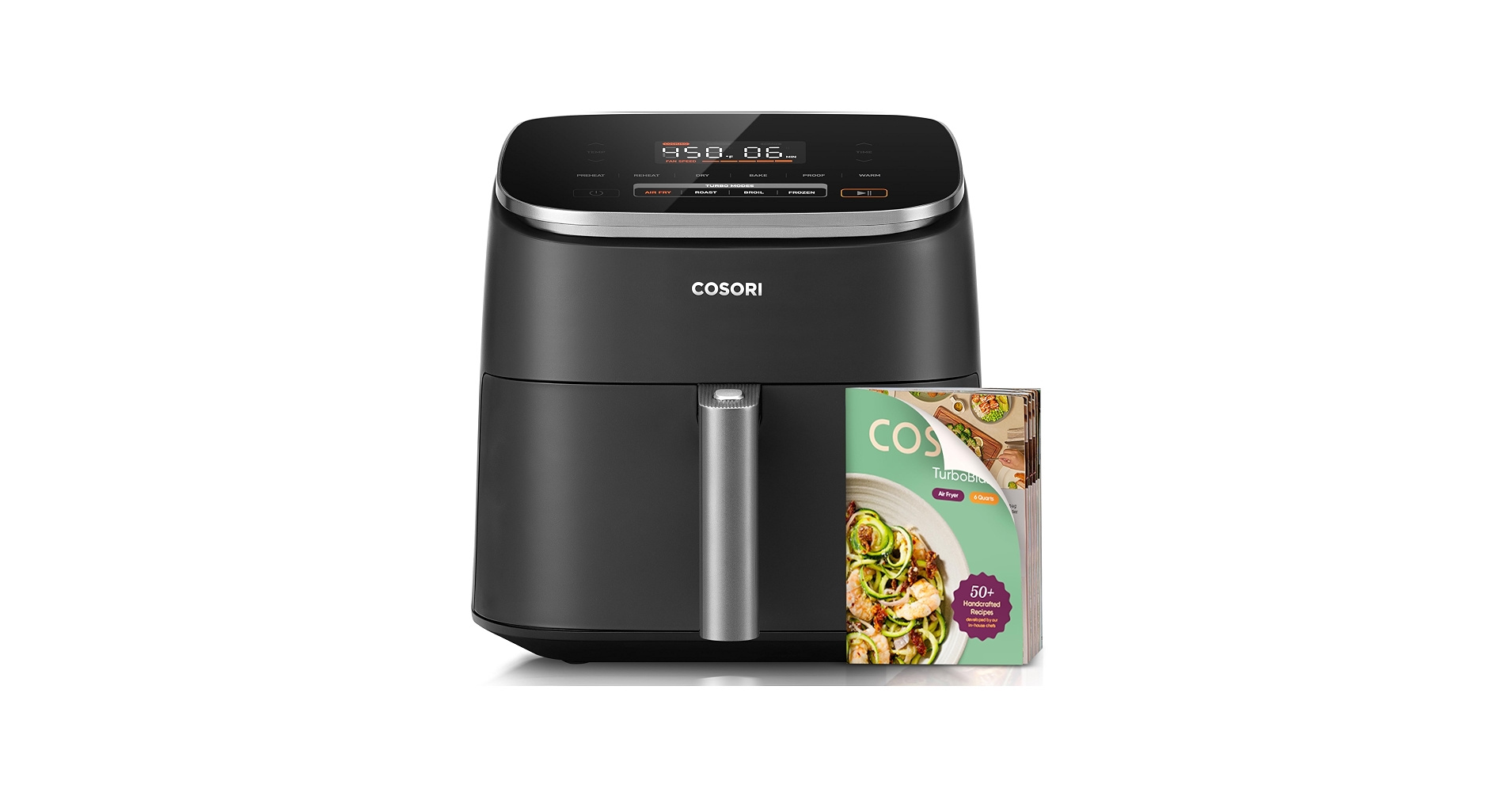
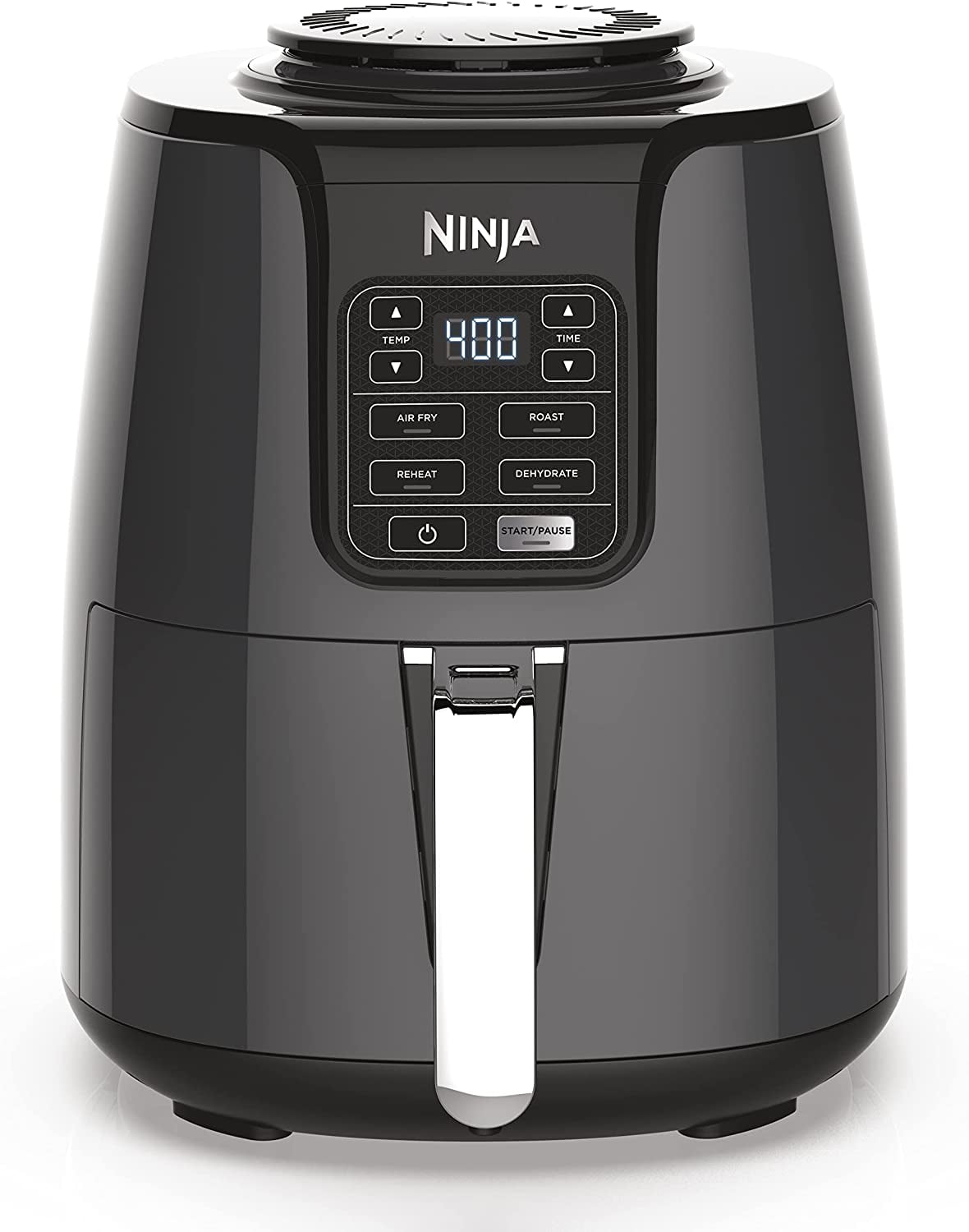
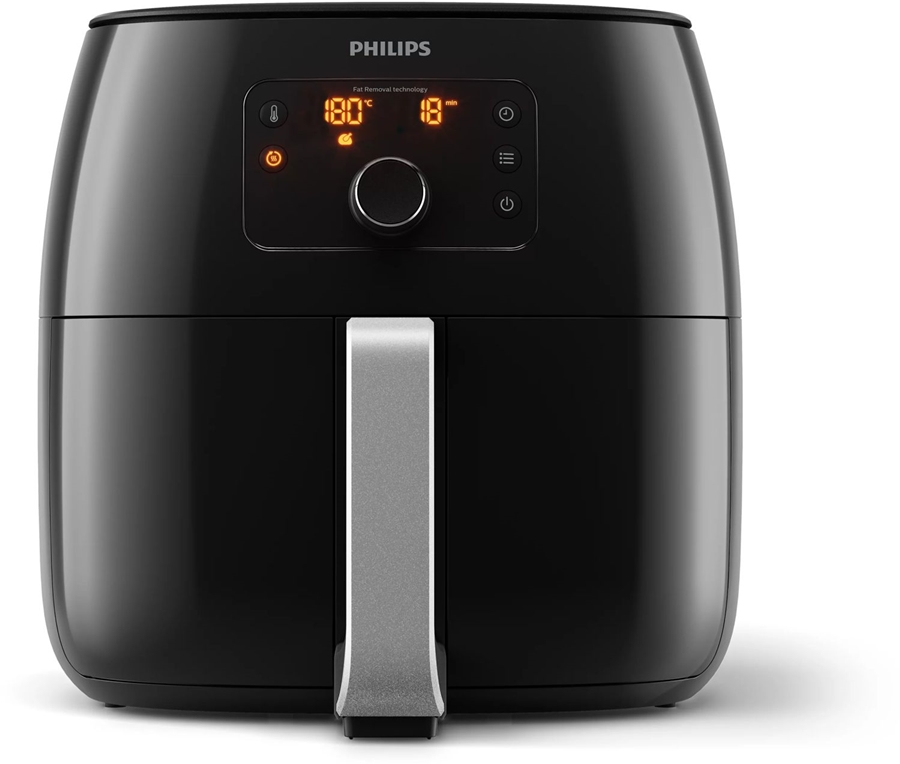
The tiers split on capacity and evenness. The best overall pick hits the sweet spot: a family-size basket, fast and even crisping, and a quieter fan than older models, with enough functions to cover roasting, baking, and reheating without fuss. The best value pick is compact and simple, with reliable controls and solid build, but a smaller basket that means batch cooking for families and fewer presets. The premium pick is the original premium air fryer: the largest capacity here, a design that drains excess oil as food cooks, and the most even results honed over generations, but at the highest cost and with a bulkier footprint. All three crisp well; they differ in how much you cook at once and how evenly.
Who should pick which tier is mostly about household size and counter space. If you cook for a family and want one batch to be enough, the overall pick's family-size basket is the right default. If you cook for one or two people, have a small kitchen, or want the simplest controls, the value pick's compact size is a better fit. If you want the most even cooking and the largest batch capacity and you have the counter space, the premium pick rewards you. If you already own a good convection oven and only air-fry occasionally, even a compact fryer may duplicate what you have.
The common mistakes are about airflow and crowding. The first is overfilling the basket, which blocks circulation and steams food instead of crisping it; cook in a single layer, even if it takes two batches. The second is skipping a light oil spray, which helps browning far more than dry cooking. The third is buying too small for your household and then resenting batch cooking every night. The fourth is judging by presets, when even heating and basket size determine results far more than a long menu of modes.
Buying guide expanded October 2026
What the reviews reveal
The mistake air fryer buyers keep making is shopping by preset count and headline capacity instead of by usable basket area and heat behaviour. A 6-quart label says little about how much food can sit in a single layer, which is what actually crisps; a basket crammed two layers deep steams no matter how good the fan is. The second mistake is treating every preset as a promise — reviewers repeatedly find the same model runs hot, cooks unevenly at the edges, or needs a shake the machine never reminds you to do. Learn one or two foods well on your own fryer before trusting its printed times.
The tradeoff that matters most day to day is not crisping power but friction: noise, cleaning and counter presence. A fryer that is loud at high heat, awkward to empty when hot, or too heavy to move will quietly migrate to a cupboard, and the best-crisping machine in the world cooks nothing from there. Quieter, simpler models with easy-to-wash baskets get used five nights a week; feature-heavy ones get used on weekends. If you cook daily, weight that routine above a marginally crisper fry.
The recurring surprise is how personal each fryer runs. The same model can be praised as quiet by one reviewer and loud by another, because fan noise, beep volume and heat all depend on temperature, load and kitchen layout. Small design details — a safety latch on the handle, a crisper plate that stays put or drops out, centre holes big enough to swallow a fry — only show up after a week of real cooking. Give any new fryer a fortnight of ordinary meals before deciding whether it has earned its counter space.
Frequently asked questions
Is the premium pick worth it over the best overall pick?
It is worth it for maximum capacity and the most even cooking, especially for large batches. The premium pick fits a whole chicken or a family-size batch and drains excess oil as food cooks. But the overall pick already crisps evenly for most families at a lower cost. Pay the premium for the largest, most even results, not for a different kind of cooking.
What is the tradeoff with the best value pick?
Smaller capacity means batch cooking for families, and fewer presets than the larger units. That matters on busy nights when one batch is not enough. In return you get a compact footprint, simple controls with no learning curve, and solid build quality at an accessible cost. For smaller households, that tradeoff is easy to accept.
Why is my food soggy instead of crispy?
Almost always it is overcrowding or too little oil. Air needs room to circulate, so spread food in a single layer with space between pieces, even if it means two batches. A light oil spray helps browning considerably compared with dry cooking. Also make sure food is reasonably dry before it goes in, since surface moisture steams before it crisps.