📽️ Category guide
Best 3 Premium 4K Projectors on Amazon
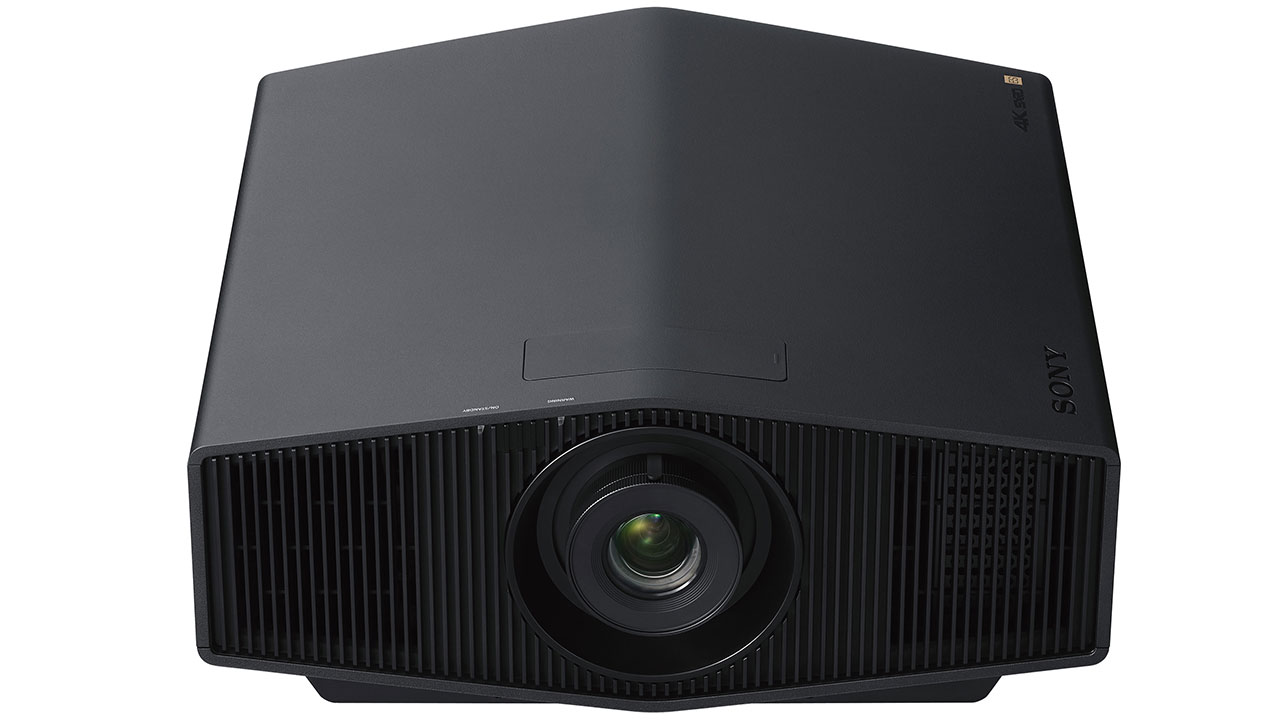
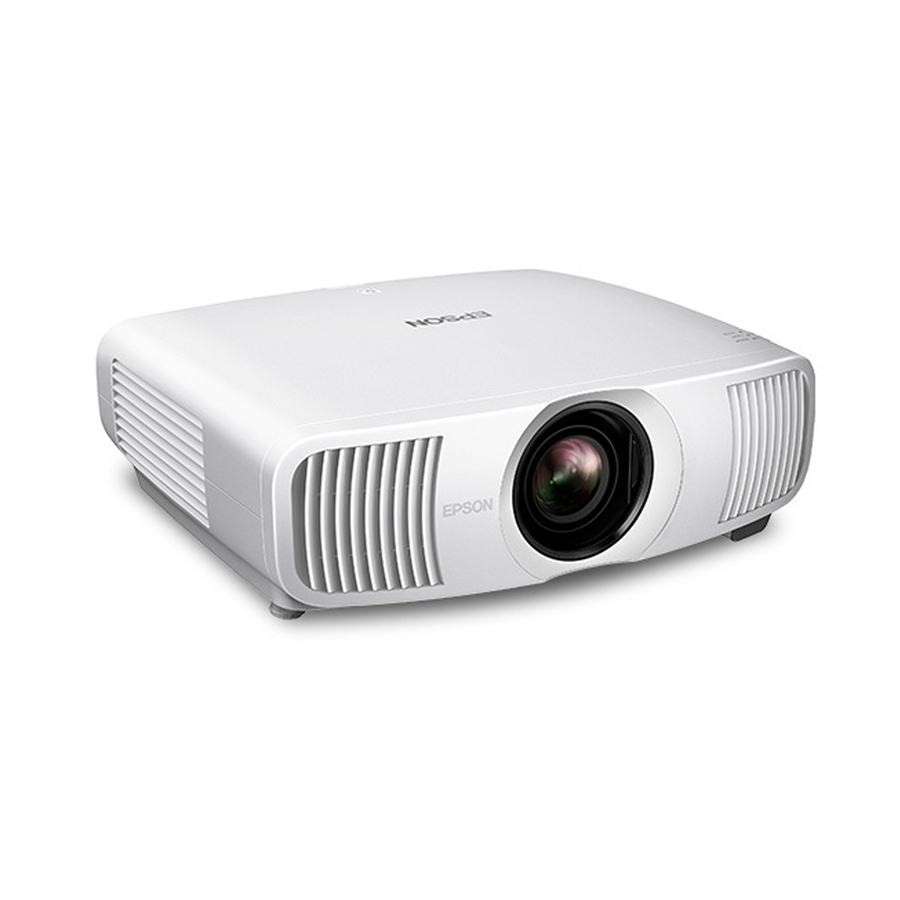
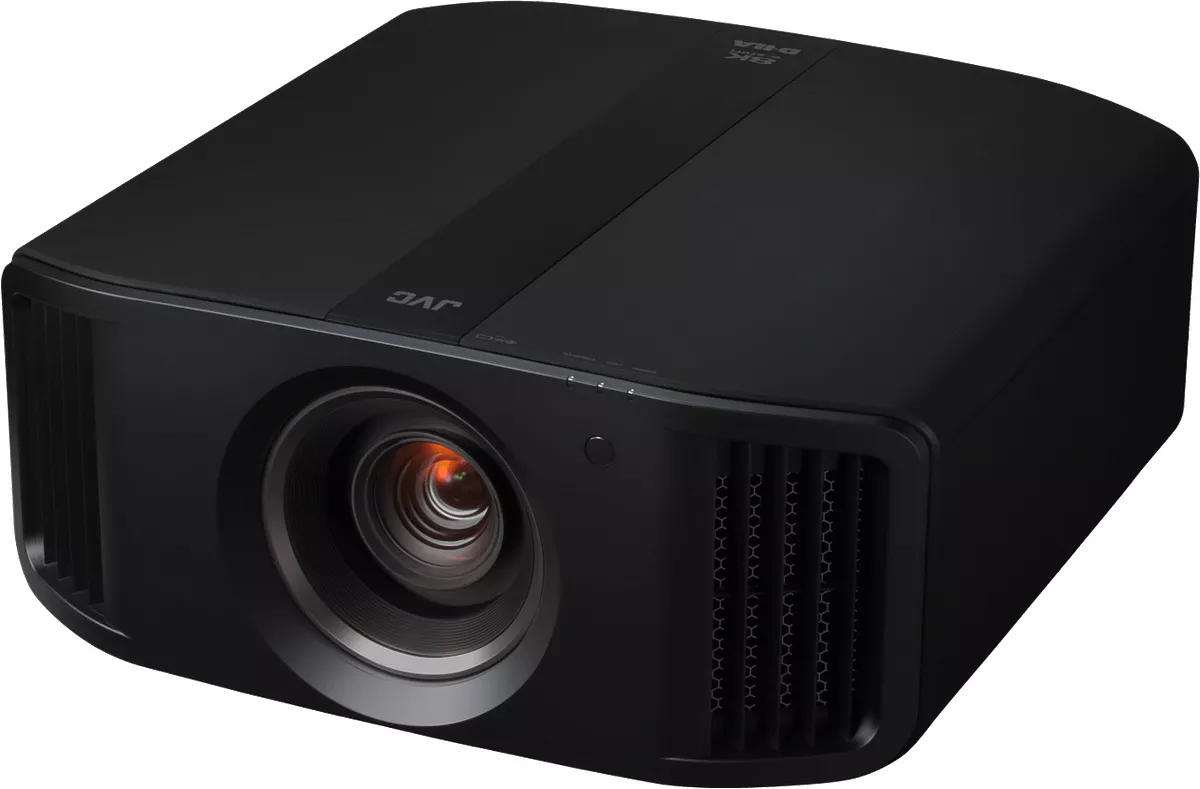
A great projector turns any dark room into a cinema. These three are the laser-powered class leaders: the consensus native-4K pick, the value sweet spot with gaming chops, and the black-level benchmark for dedicated theater rooms.
Last researched September 28, 2026
How to choose
A great projector turns a dark room into a cinema, but the room matters as much as the projector. Light control transforms the image more than any single projector feature, since even the best contrast washes out in a bright room. Screen quality matters too, because a poor screen undermines a great projector. Light source matters for ownership: laser sources last for years without lamp replacements, which changes the total cost and hassle. Placement matters enormously, since throw distance and lens shift determine where the projector can sit and how large the image can be. Gaming features matter if you play, since high refresh support and low lag change how games feel.
The tiers split on native resolution, gaming, and contrast. The best overall pick is the consensus native-resolution laser pick: a true native panel with no pixel-shifting, strong processing, and a long-life laser source, undercutting every other native laser rival. The best value pick is the laser brightness and gaming sweet spot: strong brightness, full high-refresh gaming support, and motorized lens memory, but with pixel-shifted resolution from lower-resolution chips, so fine-detail sharpness trails native rivals. The premium pick is the black-level and HDR benchmark for dedicated theater rooms: native panels with very high native contrast, laser light with per-frame HDR tone-mapping, and maximum perceived detail, but in a large, heavy chassis at flagship cost. You are choosing between native consensus, gaming value, and contrast benchmark.
Who should pick which tier depends on room and use. If you want the most recommended native laser projector for a dedicated or light-controlled room, the overall pick is the default. If you want laser brightness and gaming features at a street cost nothing else matches, the value pick is the smart buy. If you have a dedicated theater room and prize black levels and HDR above all, the premium pick justifies itself. If your room is bright and uncontrolled, fix light control first, since no projector here will overcome daylight.
The common mistakes are about room and placement. The first is buying a projector before measuring throw distance and lens shift, then discovering it cannot fill the screen from where it must sit. The second is ignoring light control, which matters more than brightness claims. The third is buying for gaming without checking high-refresh support, which the overall pick lacks. The fourth is assuming higher resolution shifting equals native sharpness at typical viewing distances, when the difference is subtle for most viewers but real for fine detail.
Buying guide expanded October 2026
What the reviews reveal
Projector buyers consistently get one thing wrong: they buy the projector and treat the room as an afterthought. Light control transforms the image more than any panel or laser upgrade, a proper screen matters more than a marginal brightness bump, and throw distance plus lens shift decide whether the projector can even fill the screen from where it must sit. The tradeoff that matters most in daily use is not native versus pixel-shifted resolution but black level versus brightness in your room: the brightest projector still looks washed out in daylight, and the deepest blacks still vanish if the room is not dark. The recurring surprise is how much of ownership is installation labor. Manual lenses that need two people to focus, motorized memories that only matter if you run a scope screen, fans that rise with HDR content, chassis so large they dictate the mount — these are the realities that follow you long after the first jaw-dropping demo. Fix the curtains, measure the throw, pick the screen, and only then argue about contrast ratios. A projector is a room project that happens to include a projector, and buyers who treat it that way end up happy. The other trap is buying for a use case you barely have: high-refresh gaming support on a projector you will use for films, or 8K shifting on a screen viewed from a sofa ten feet away, where neither is visible.
Frequently asked questions
Is the premium pick worth it over the best overall pick?
It is worth it for dedicated theater rooms where black levels and HDR matter most. The premium pick offers the highest native contrast and per-frame HDR tone-mapping, which shows in dark scenes. But it is large, heavy, and flagship-priced, and its extra detail features add little at typical viewing distances. For most light-controlled rooms, the overall pick already delivers a superb cinema image.
What is the tradeoff with the best value pick?
Pixel-shifted resolution from lower-resolution chips, so fine-detail sharpness trails native rivals. That matters for viewers who sit close or prize maximum detail. In return you get laser brightness, full gaming support, and motorized lens memory at a cost nothing else matches. For gaming and general movie watching, that tradeoff favors the value pick.
Do I need a dedicated dark room?
You need light control, not necessarily a dedicated room. A darkened living room with curtains and a decent screen transforms any of these projectors. A bright, uncontrolled room will wash out even the best contrast, no matter how bright the projector claims to be. Invest in curtains and a proper screen before chasing a higher tier.